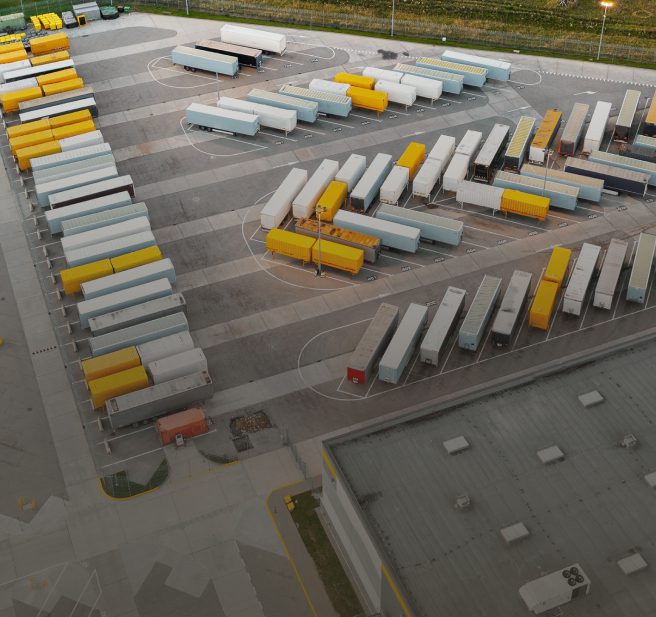
The efficiency of supply chain operations is paramount as businesses face increasing demands for speed, flexibility, and cost-effectiveness. Companies are increasingly turning to third-party logistics (3PLs) providers to optimize their logistics operations, reduce costs, and enhance customer satisfaction. Third-party logistics providers offer specialized logistics and supply chain management services including delivery, warehousing, inventory management, and order fulfillment.
By leveraging the expertise and infrastructure of 3PL providers, businesses can benefit from best practices and innovative solutions that might not be feasible in-house. The global 3PL market size is estimated at $1.29 trillion in 2024, and is expected to reach $1.68 trillion by 2029, according to a report from Mordor Intelligence. The third-party logistics market is driven by the order fulfillment services, end-to-end pickup and delivery services, and advanced technologies provided by the players in the 3PL industry.
Here’s a look at the pivotal role that 3PL providers play in modern supply chains and how they contribute to business success.
Streamlining Operations
One of the primary roles of 3PL providers is to streamline operations. From warehousing and distribution to transportation and delivery management, 3PLs are adept at managing complex logistics tasks that might be beyond the scope of a business’ expertise. 3PLs handle logistics operations daily for multiple clients, which equips them with a deep understanding of best practices and efficient handling of supply chain challenges.
With their specialized expertise and technology, 3PL providers can streamline processes, reduce delivery times, and improve operational performance. Tech-savvy 3PLs provide the tools to help businesses to automate processes, remain competitive, and meet the evolving demands of their customers. By outsourcing complex tasks to a 3PL provider, companies can focus on their core competencies, while leaving the logistics to seasoned professionals.
Cost Reduction
Outsourcing logistics to 3PL providers can lead to substantial cost savings for businesses. Building and maintaining logistics infrastructure can be expensive. By outsourcing these functions to a 3PL, businesses can avoid the costs associated with owning and maintaining warehouses, fleets, and technology systems. By leveraging their extensive network of carriers, warehouses, and technology, 3PL providers can offer competitive pricing and cost-saving opportunities.
3PLs offer shared warehousing spaces, bulk transportation rates, and other resources that individual businesses might not have access to on their own. Many 3PLs invest heavily in technology such as warehouse management systems, transportation management systems, and robotics, providing their clients with the benefits of these technologies without the significant upfront investment. They use advanced technologies to optimize routes, reduce transportation costs, and minimize inventory holding costs, helping businesses achieve significant savings.
Improving Customer Experiences
Efficient supply chain operations translate to better customer service. 3PL providers contribute to a positive customer experience by ensuring timely and accurate deliveries and providing flexible delivery options. Their ability to manage complex logistics functions efficiently translates into better service levels for end customers, helping businesses build strong relationships and drive customer loyalty.
With advanced tracking and communication systems, customers can receive real-time updates on their orders, leading to improved transparency and trust. With their ability to manage inventory levels, optimize transportation, and handle returns efficiently, 3PL partners help businesses meet customer expectations, leading to improved loyalty and repeat business.
Enhancing Scalability
Supply chain demands can fluctuate due to various factors such as seasonal peaks, market trends, or unexpected disruptions. 3PLs offer businesses the flexibility to scale logistics operations up or down to adapt to these changes. Whether a company is expanding into new markets or managing high customer demands, 3PL partners can quickly and efficiently accommodate these changes, ensuring smooth and continuous supply chain operations. This flexibility ensures that companies can respond effectively to fluctuating demands without the risk or cost associated with maintaining resources in-house.
Third-party logistics providers play a crucial role in modern supply chains by offering specialized expertise, scalable solutions, cost efficiencies, and innovative technologies. By partnering with a reliable 3PL provider, companies can streamline operations, improve efficiency, and deliver exceptional value to their customers.
For more information about how our delivery management solution can help you manage your deliveries more efficiently, please contact us.