
Planning, Routing,
& Scheduling
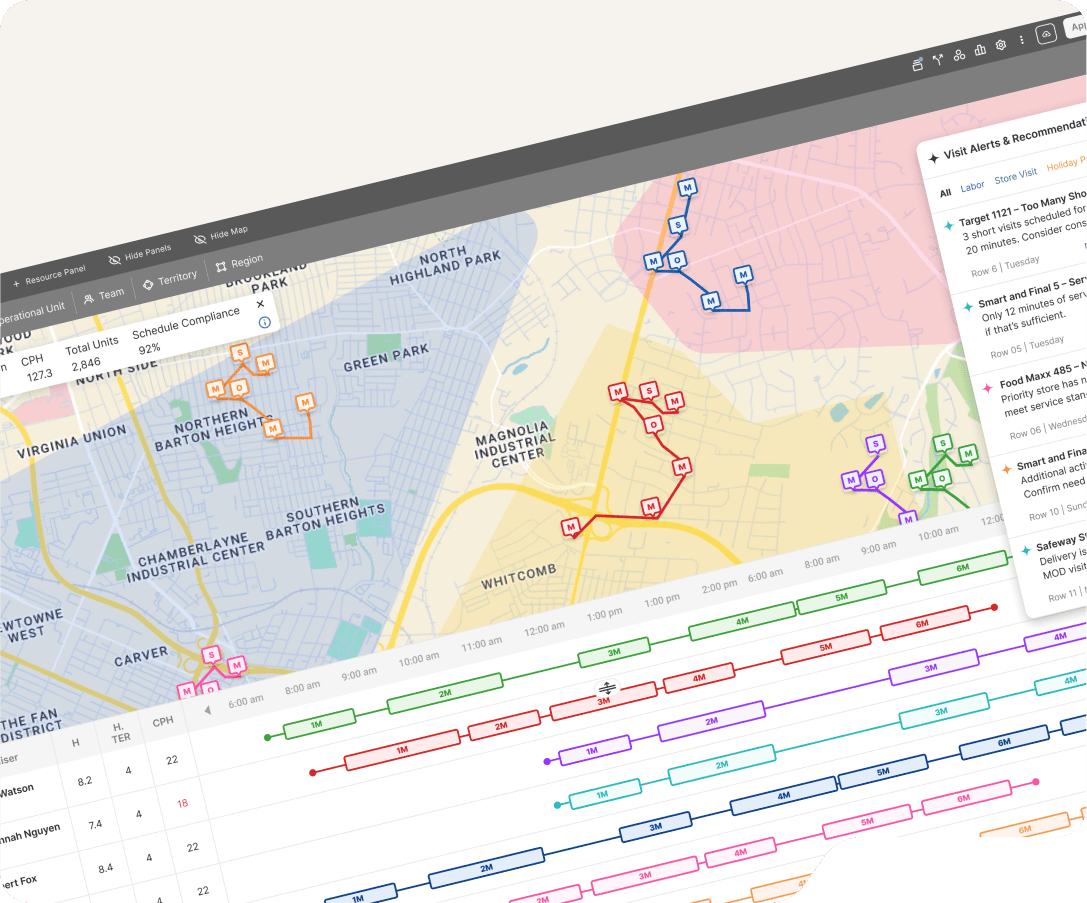
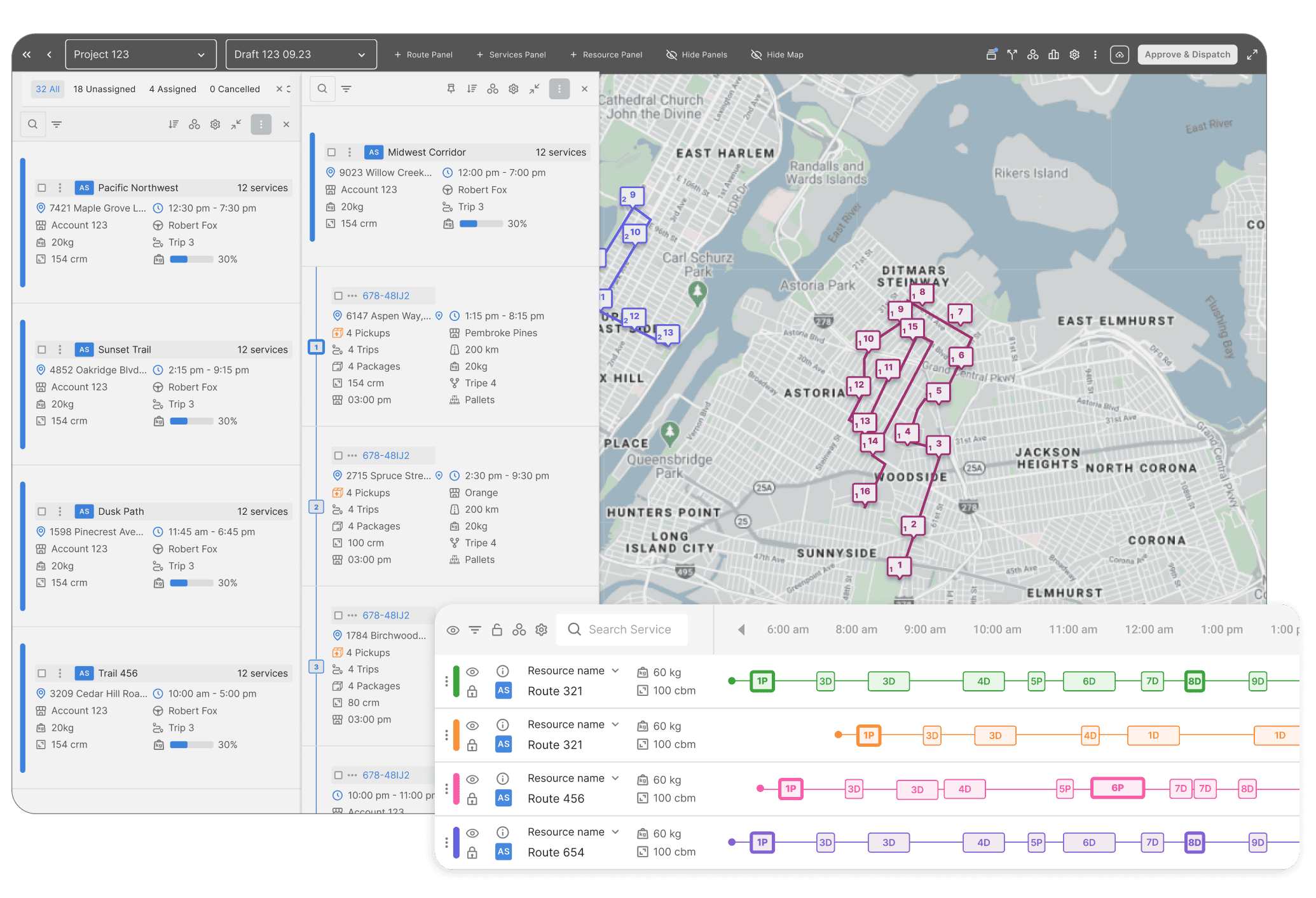
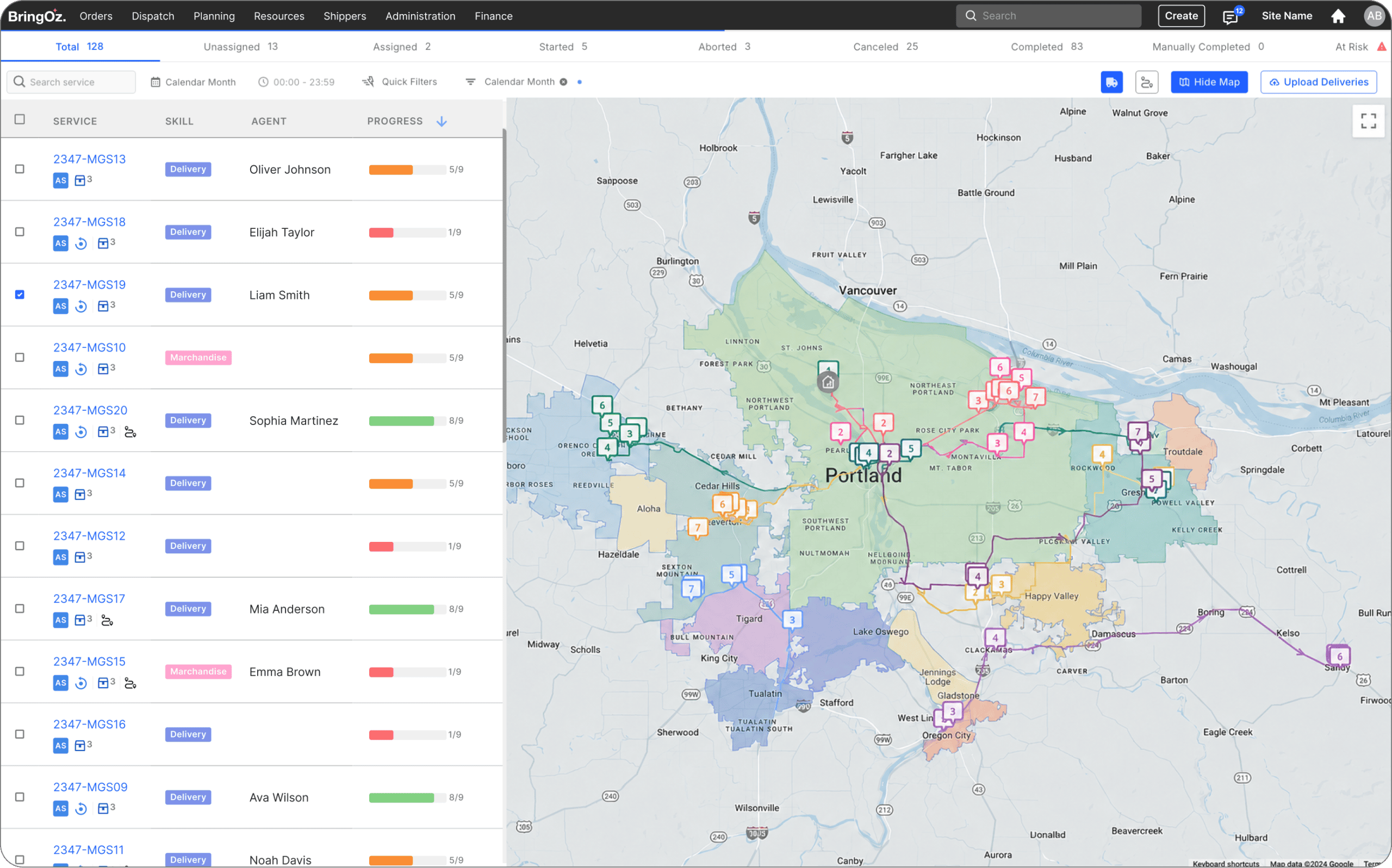
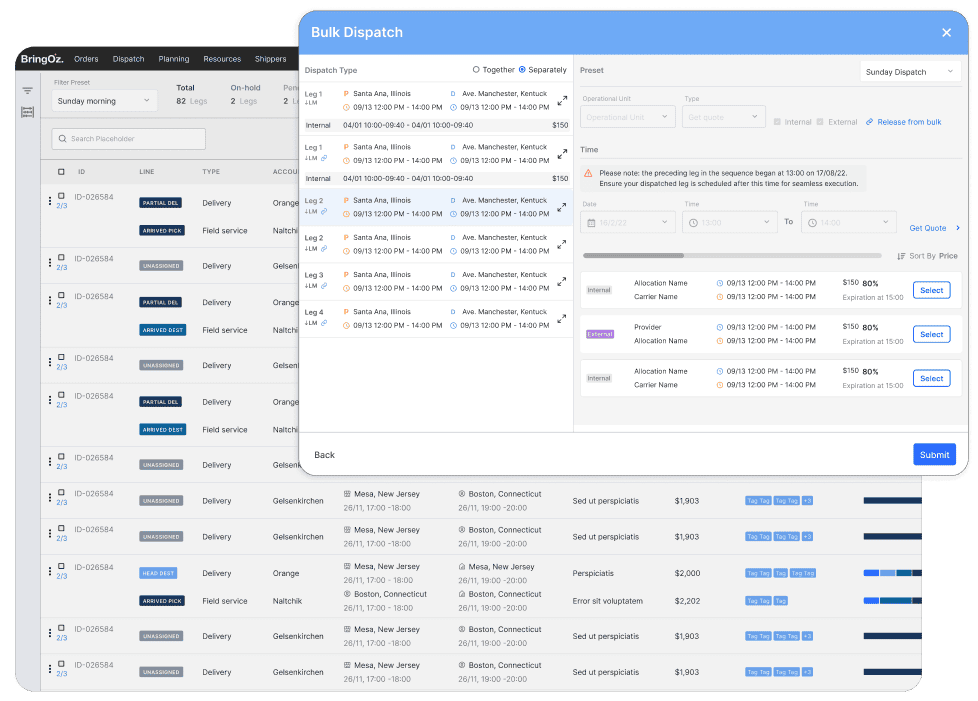
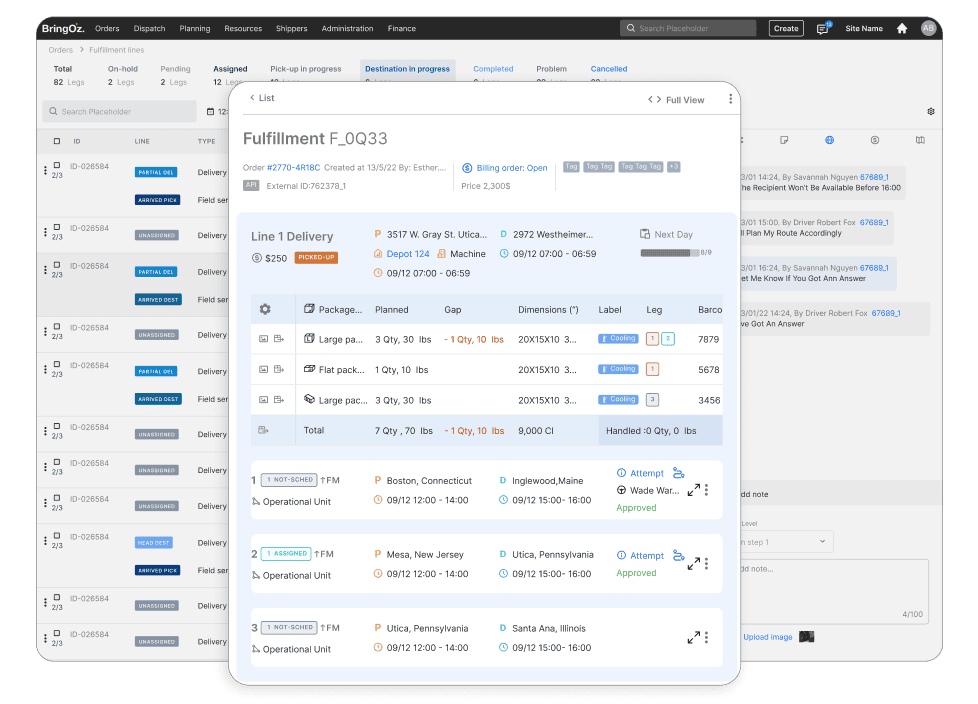
Leverage AI to build optimized routes and execution plans from demand, locations, resources, and operational constraints. Continuously optimize cost, capacity, service level, and workforce productivity.
AI-Powered Planning & Route Optimization
Uses AI to orchestrate demand, resources, locations, and operational constraints into intelligent execution plans. Delivers faster planning, higher utilization, and consistent service execution.
Order-to-Route Planning Engine
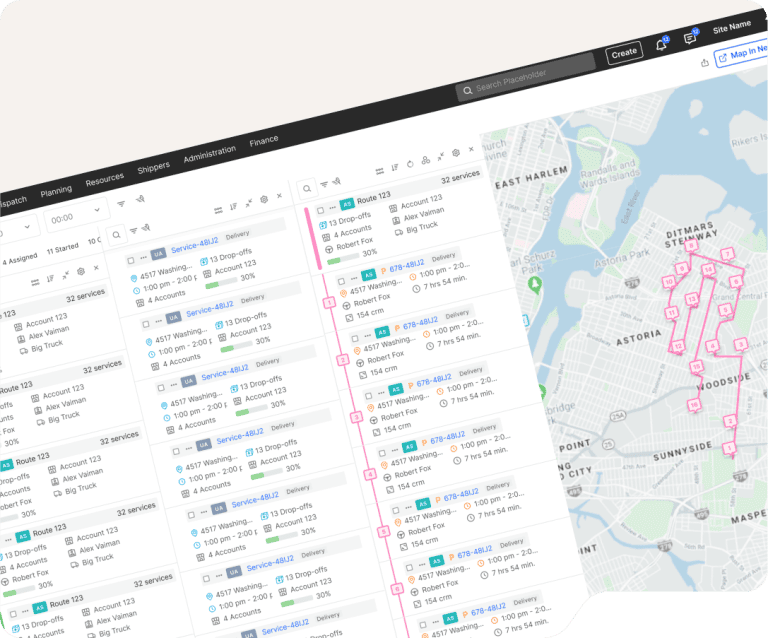
Converts orders into optimized execution routes that maximize asset utilization, efficiency, and service performance within operational constraints.
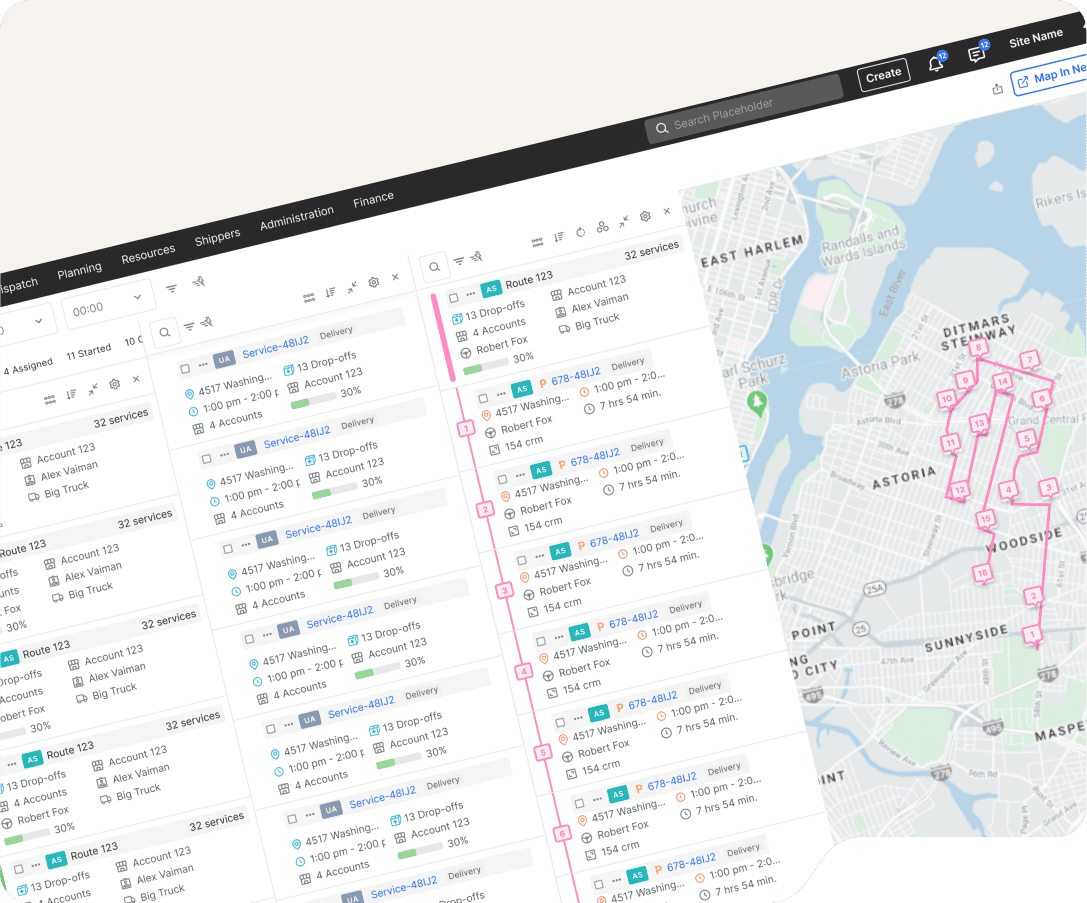
Multi-Stop & Multi-Route Planning
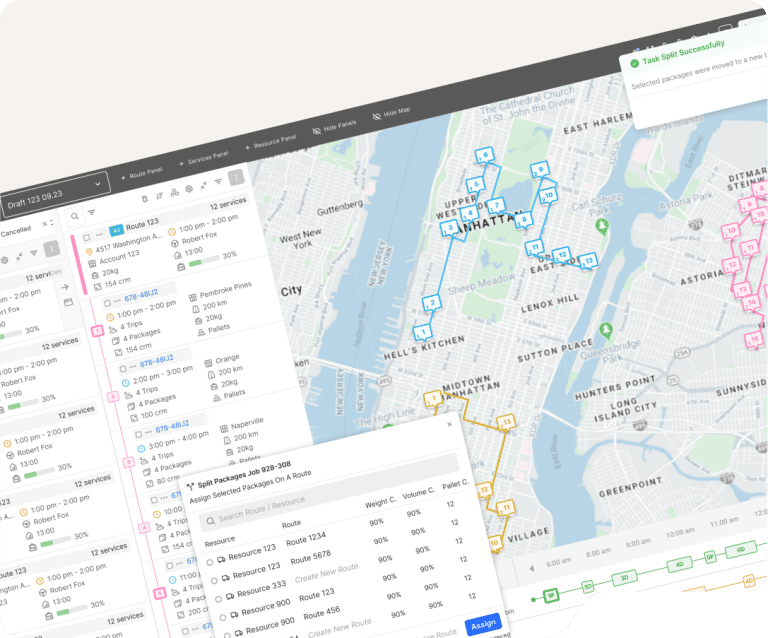
Optimize multi-stop route planning and complex retail fulfillment workflows.
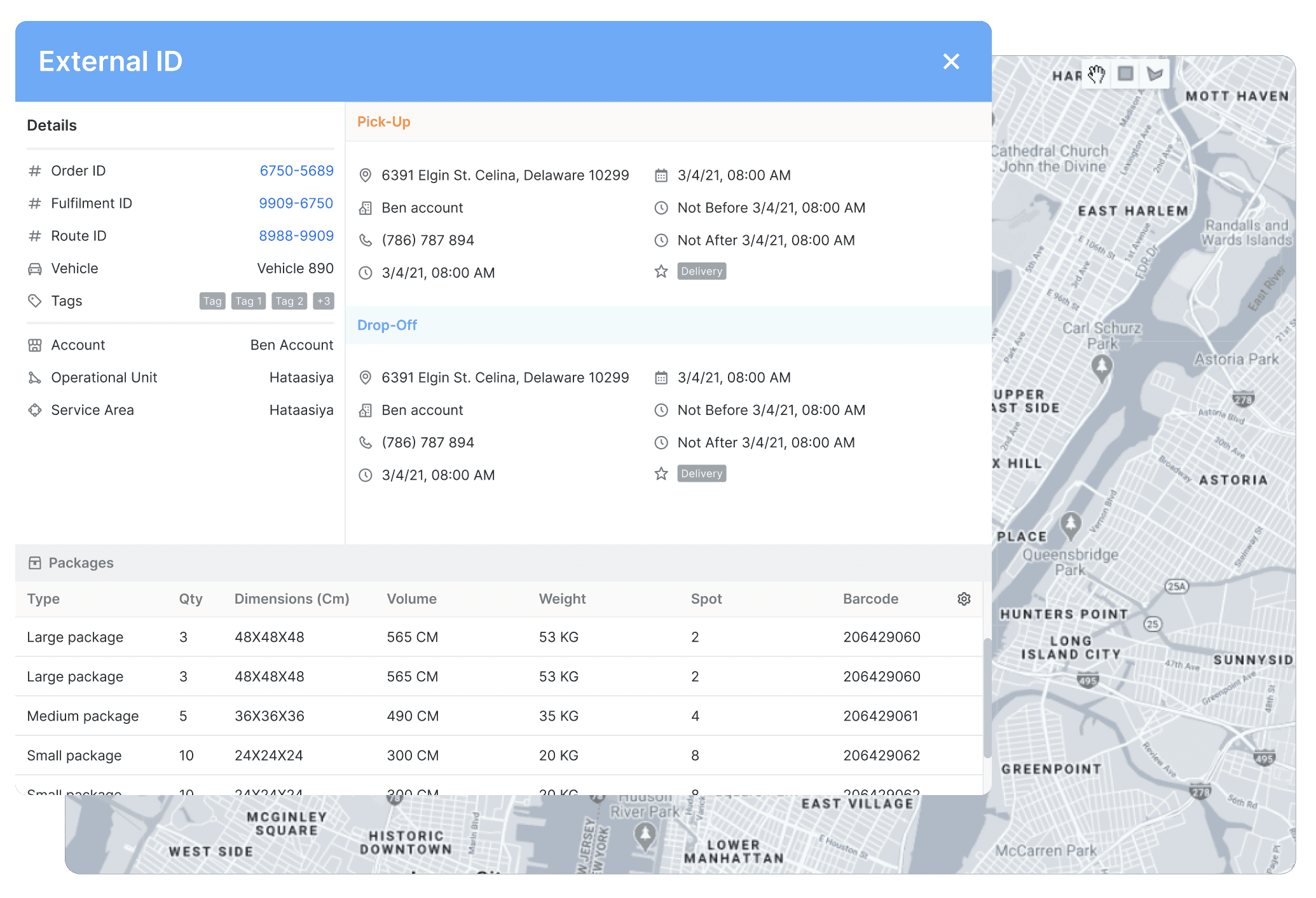
Multiple Pickup & Drop-Off Planning
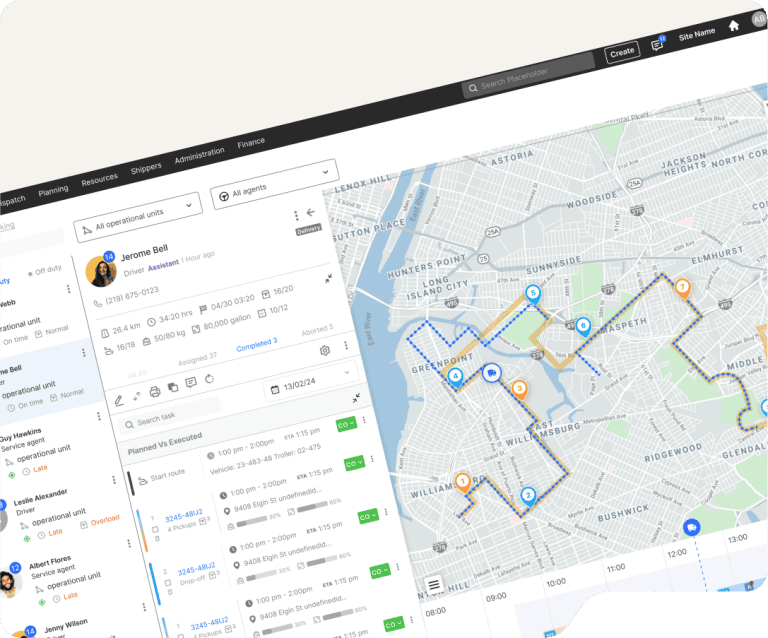
Optimize pickup and delivery operations to maximize capacity, efficiency, and service levels.
Territory Planning & Routing
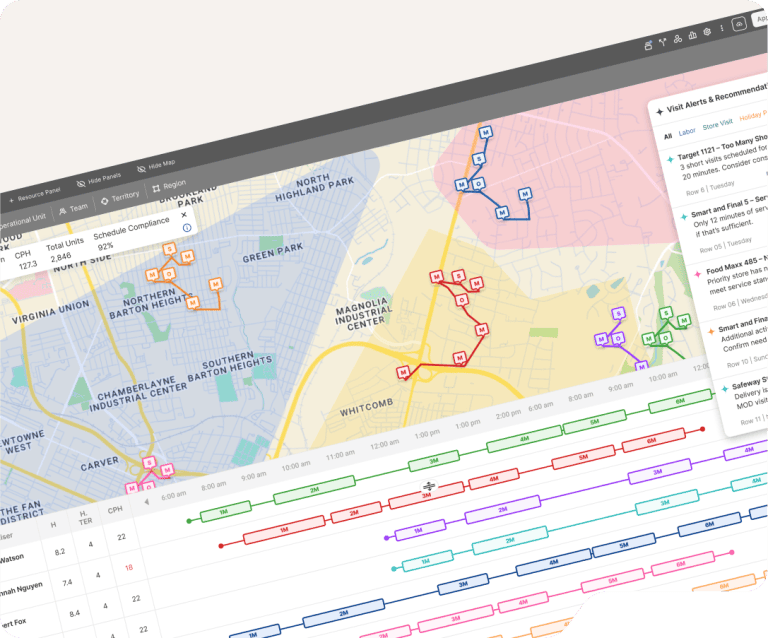
Optimize territory-based routing while adapting to geographic and operational constraints.
Distribution & Network Planning
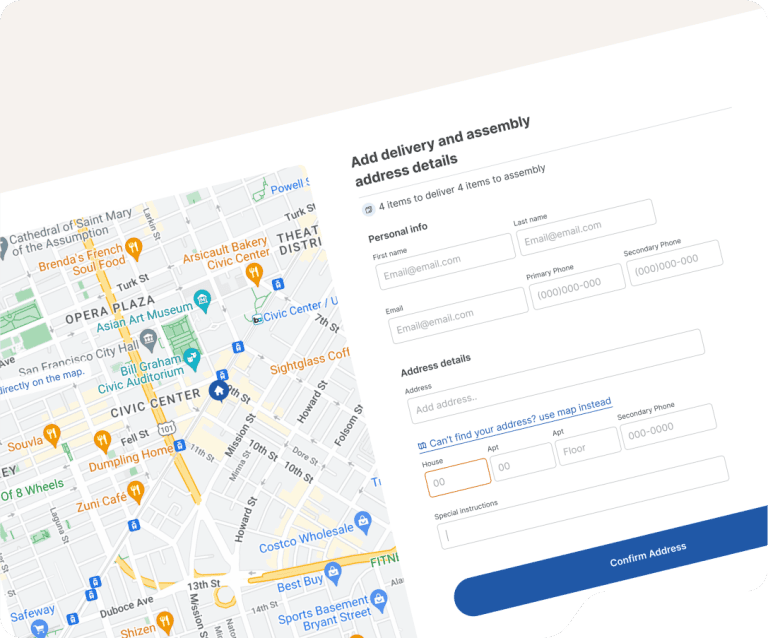
Optimize execution across hubs and networks for enhanced resource utilization and efficiency.
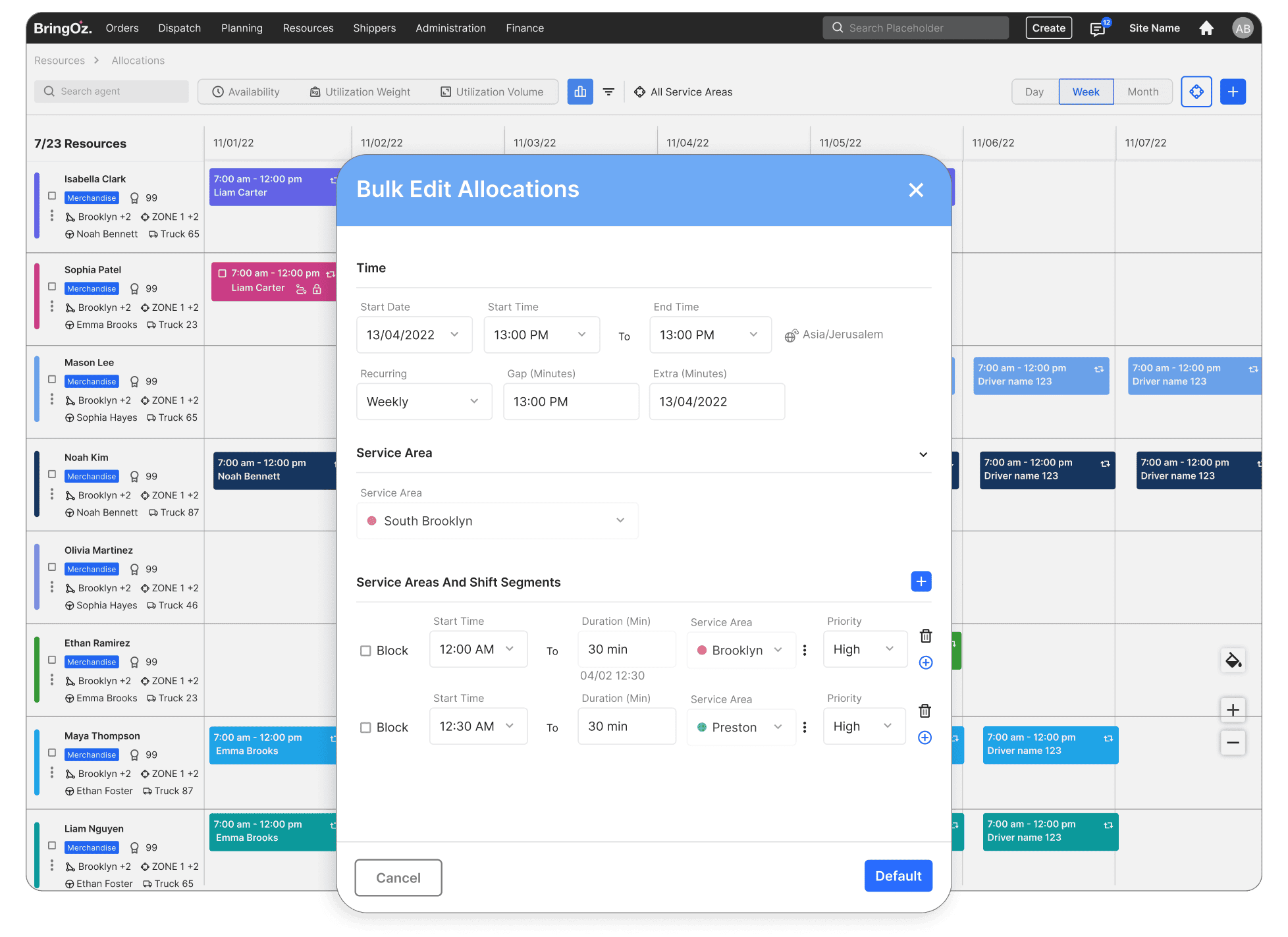
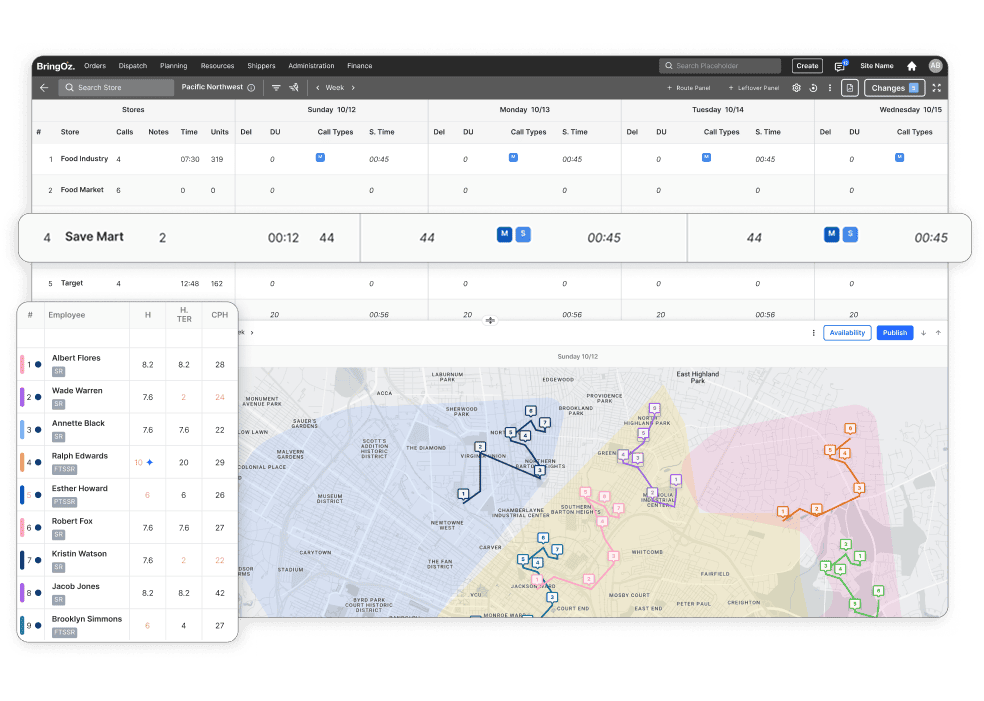
Constraint, Capacity & Resource Planning
Plans, routes, and schedules around real-world constraints, including capacity, skills,
time windows, and labor rules to ensure feasible, compliant execution.
-
Optimize routes while balancing time windows, capacity, workforce skills, and service-level commitments.
-
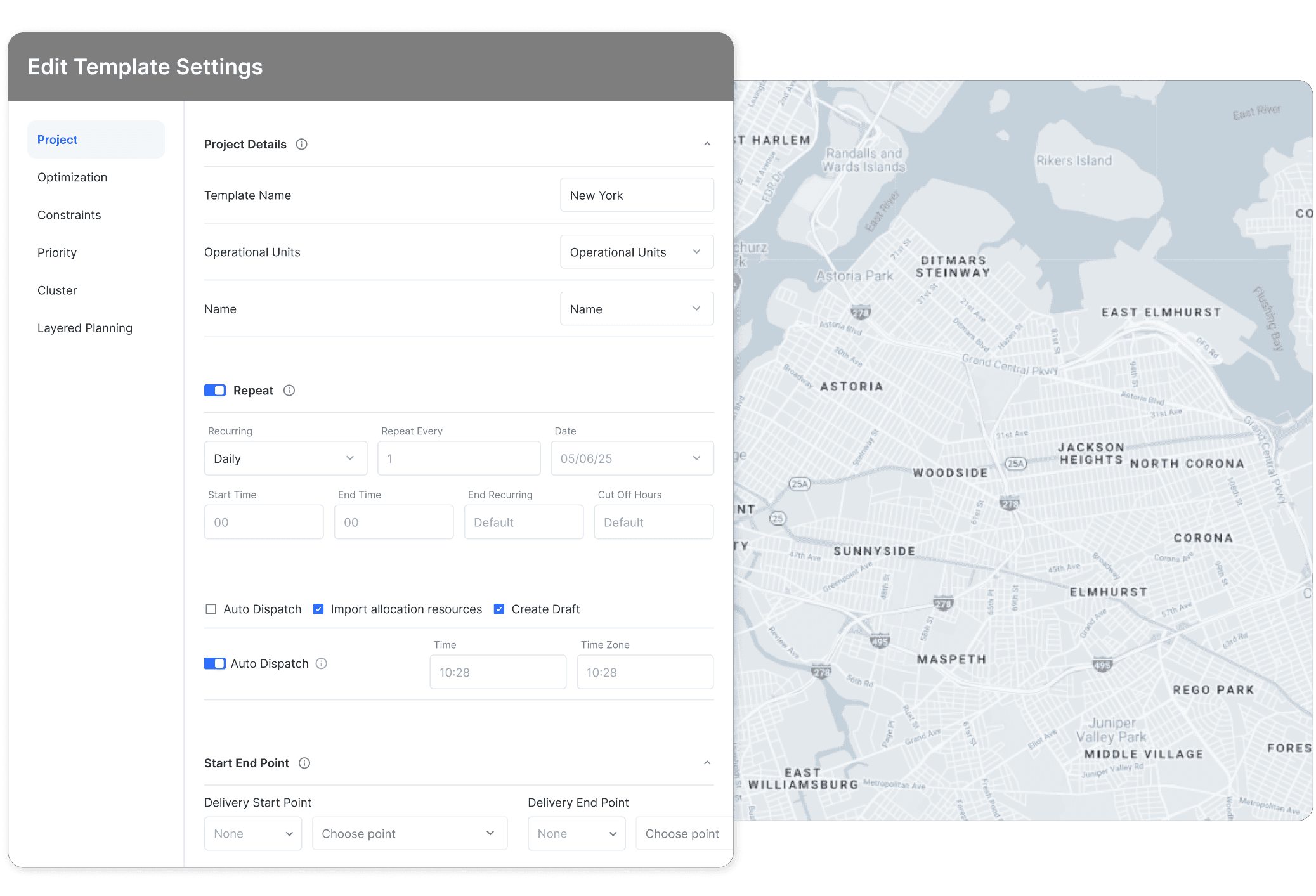
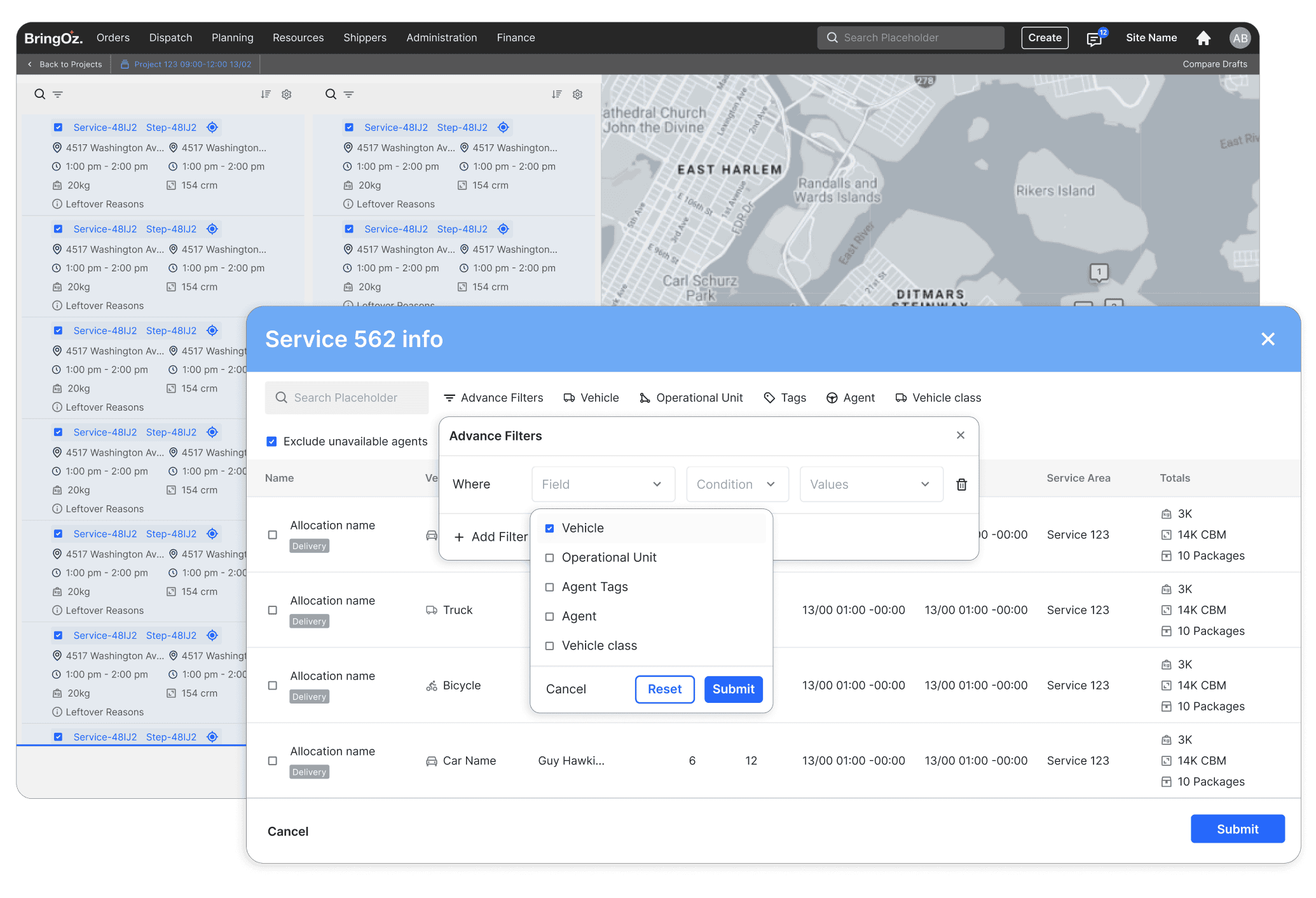
Configure AI-driven optimization rules and planning parameters to control how operations are planned and executed.
-
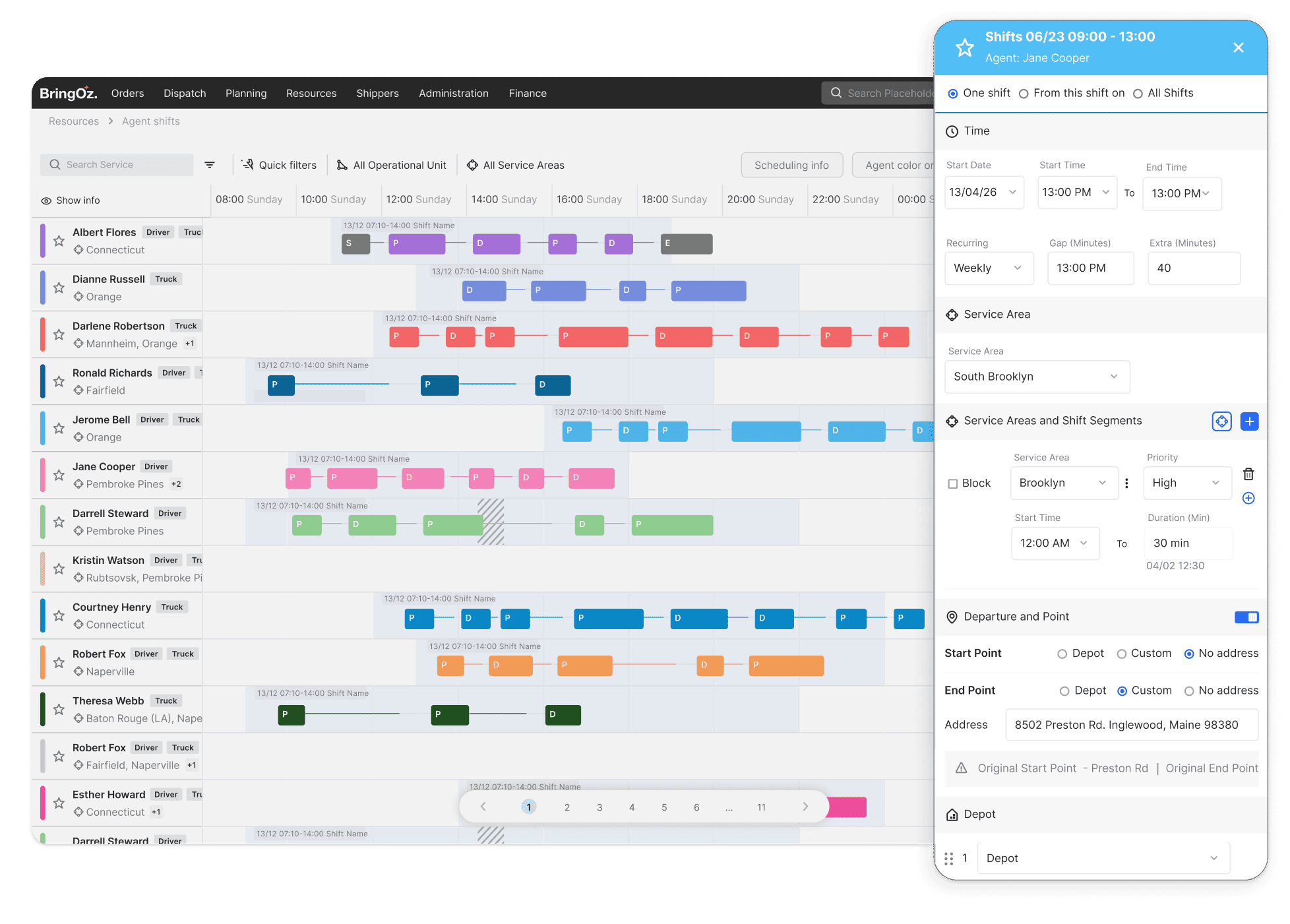
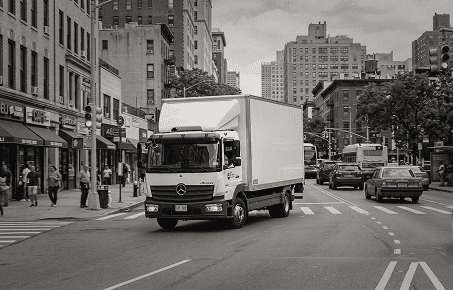
Optimize route plans based on vehicle type, capacity, availability, and operational constraints.
-
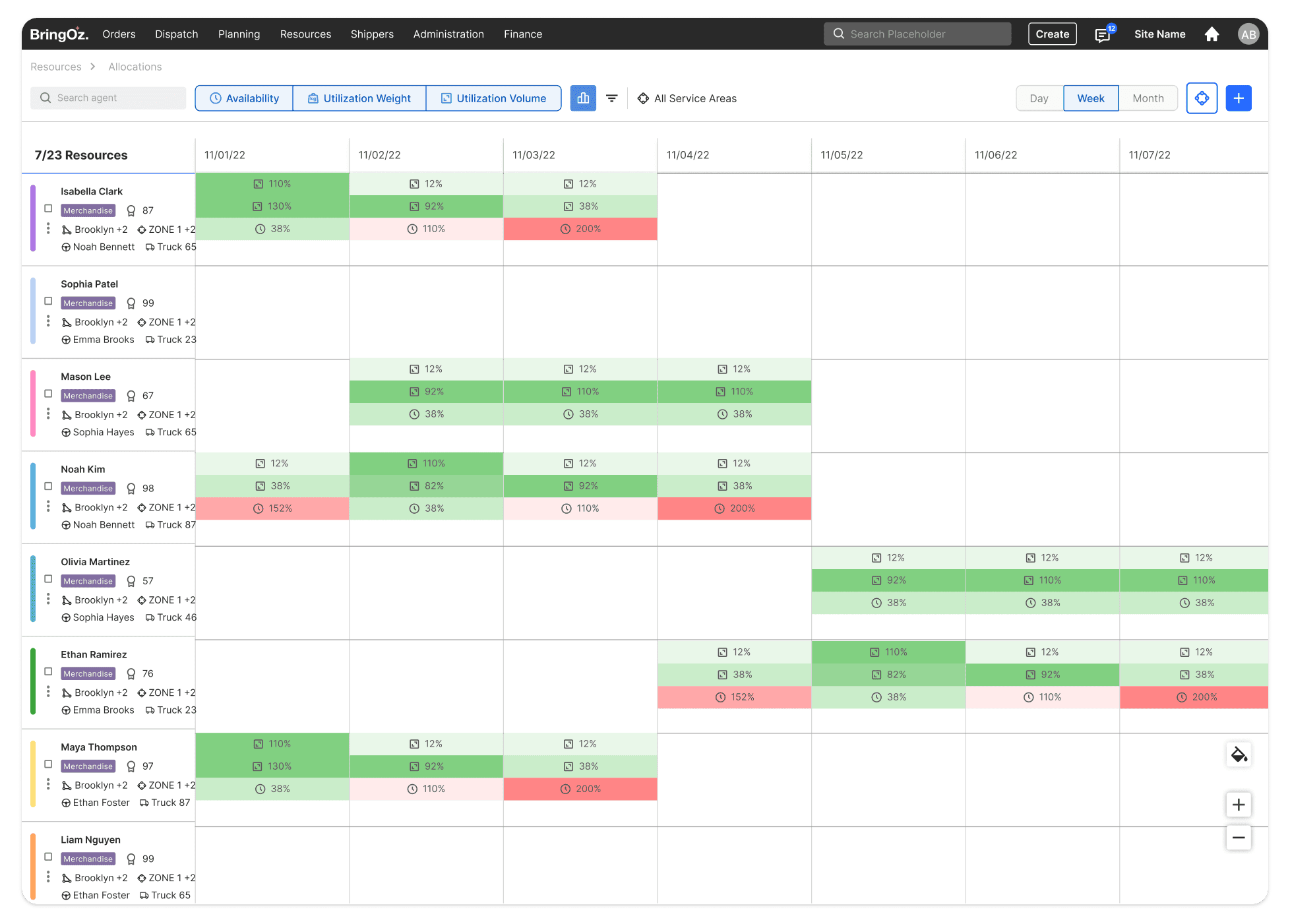
Optimize routes while balancing shipment volume, weight, and vehicle capacity for maximum utilization.
-
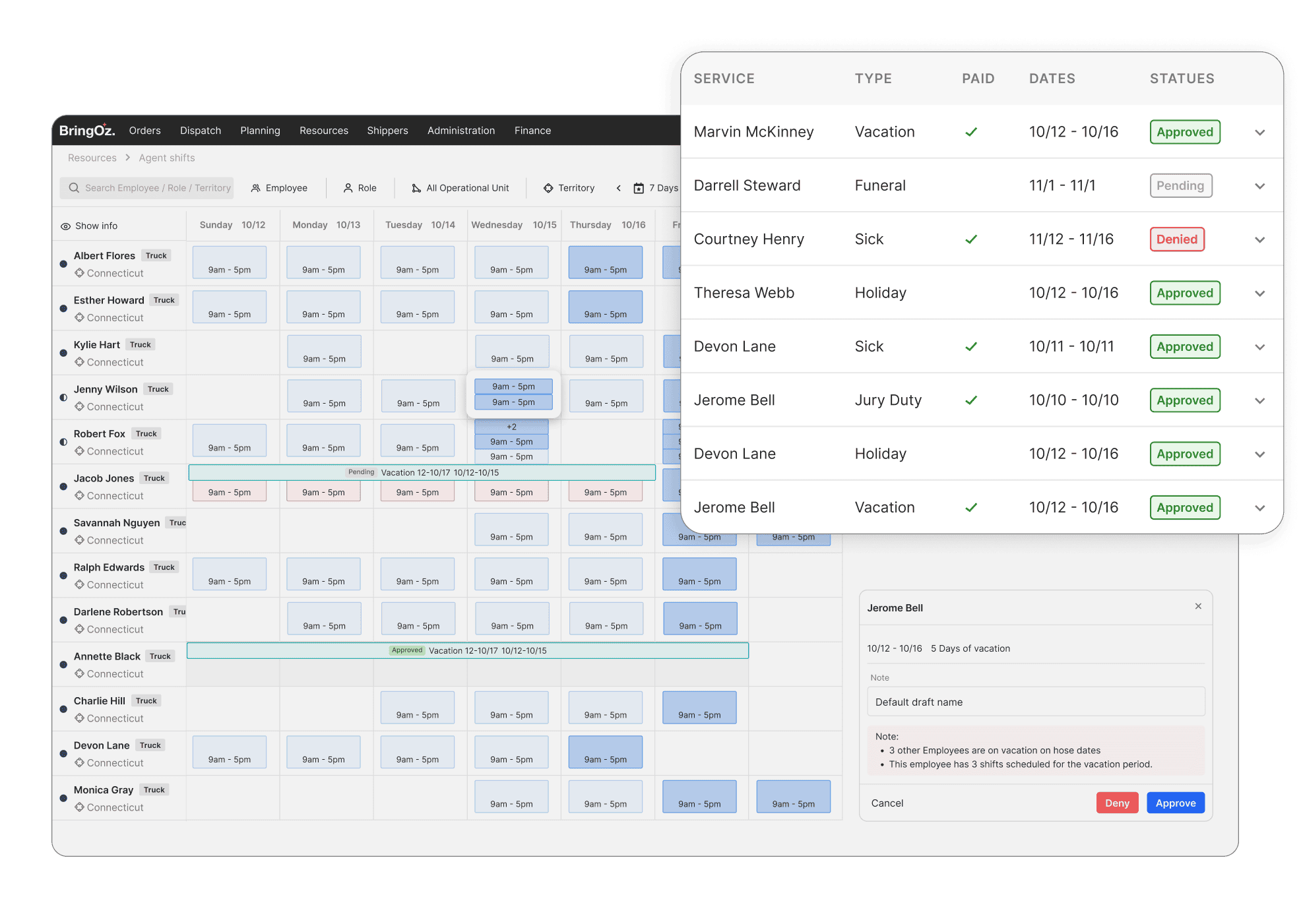
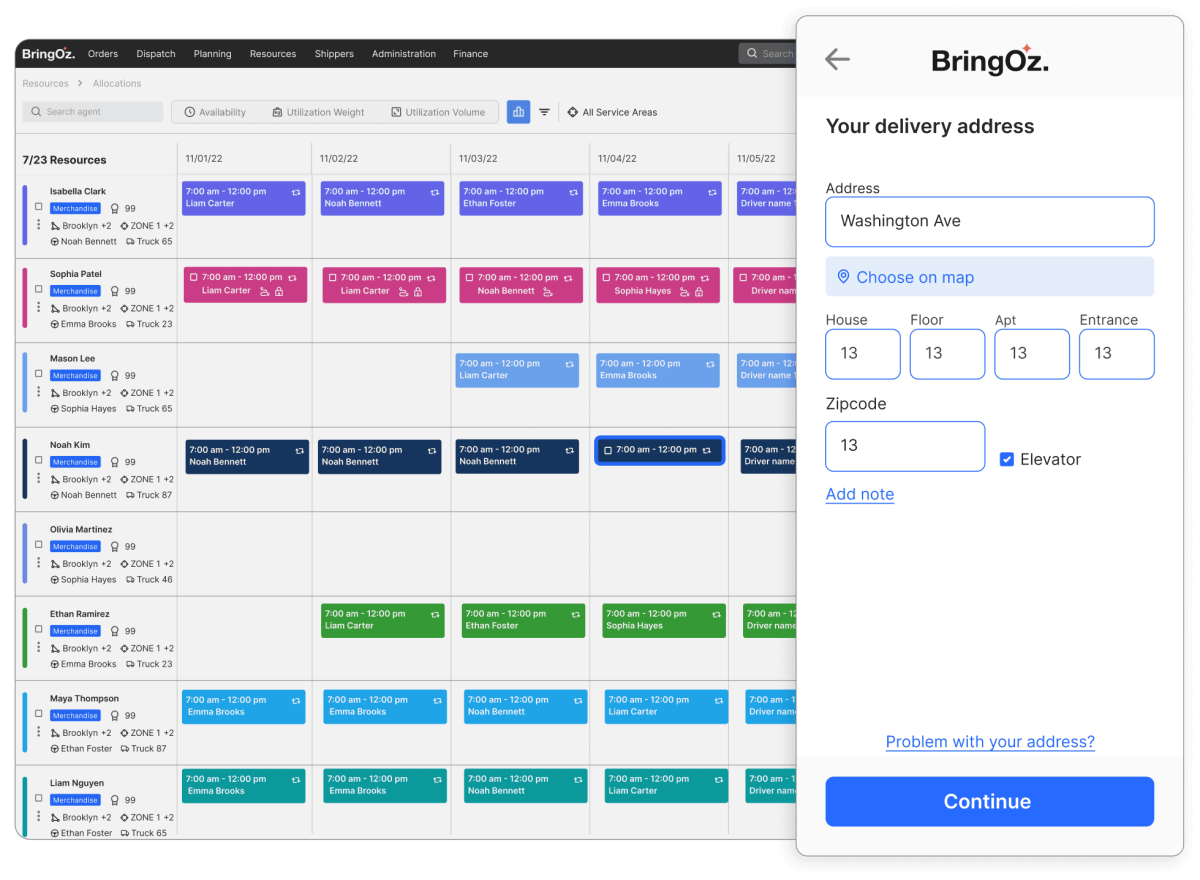
Coordinate vehicles, drivers, equipment, and field resources across every operation.
-
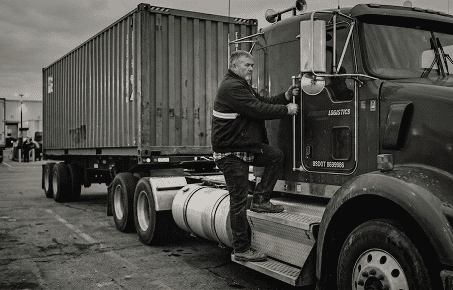
Ensure every route complies with driver qualifications, labor regulations, and operational policies.

Dynamic Planning, Automation &
Re-Planning
Pre-Day & Intra-Day Planning
Support advance planning and
same-day re-planning.
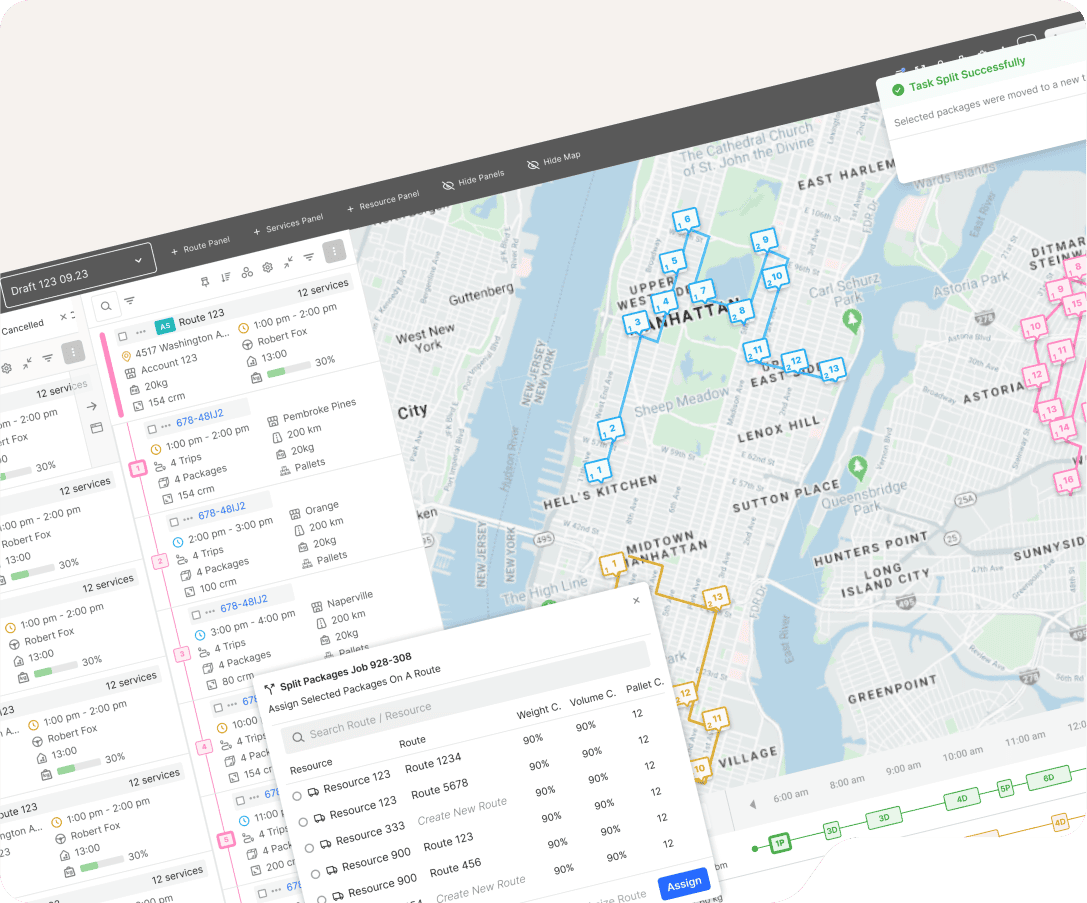
Dynamic Re-Planning
Recalculate plans as demand, delays, or conditions change.
Dynamic Plan Regeneration
Automatically regenerate routes and schedules.
Real-Time Route Adjustments
Adapt routes instantly during execution.
Automation Rules & Triggers
Automatically trigger re-optimization actions.
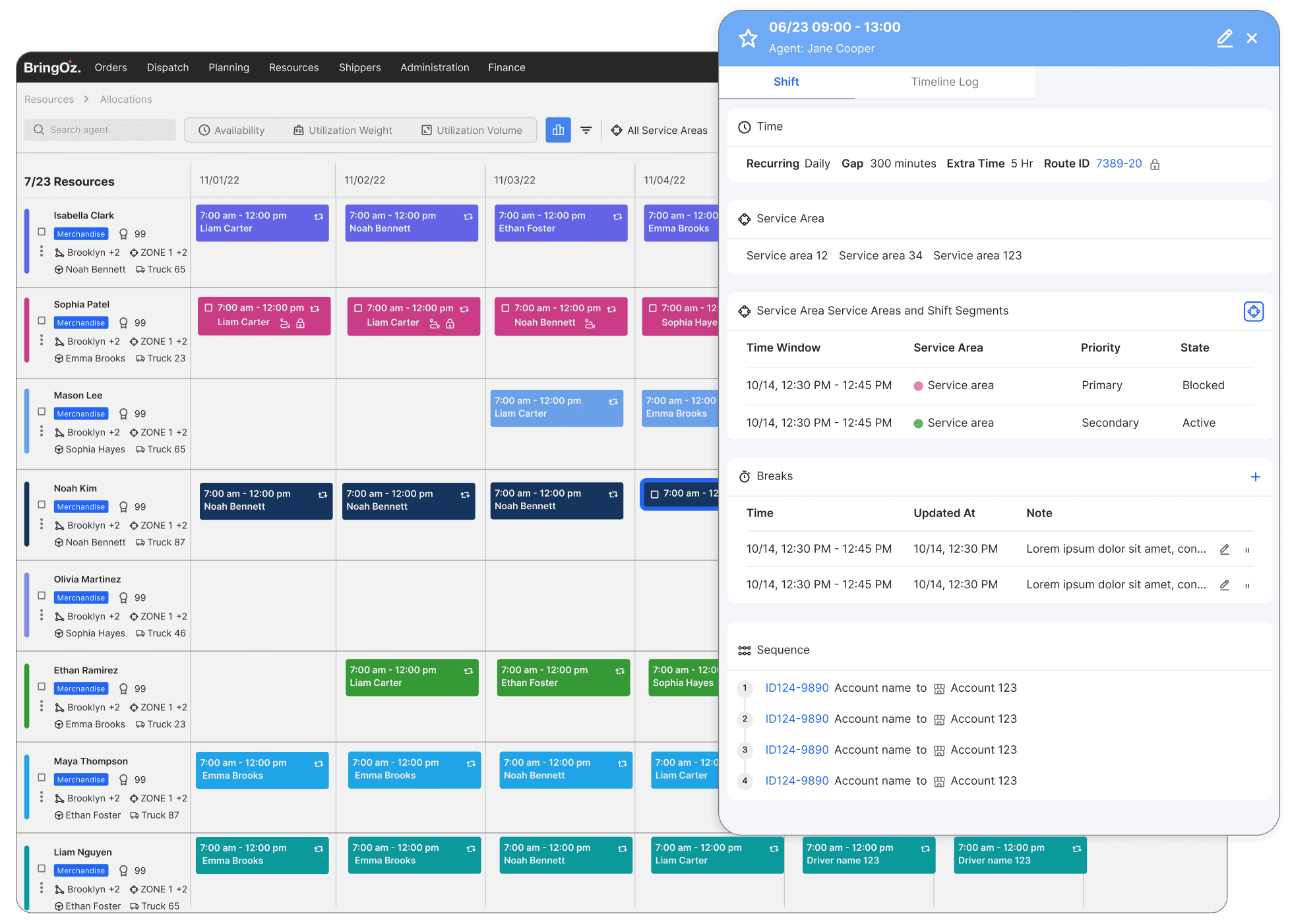
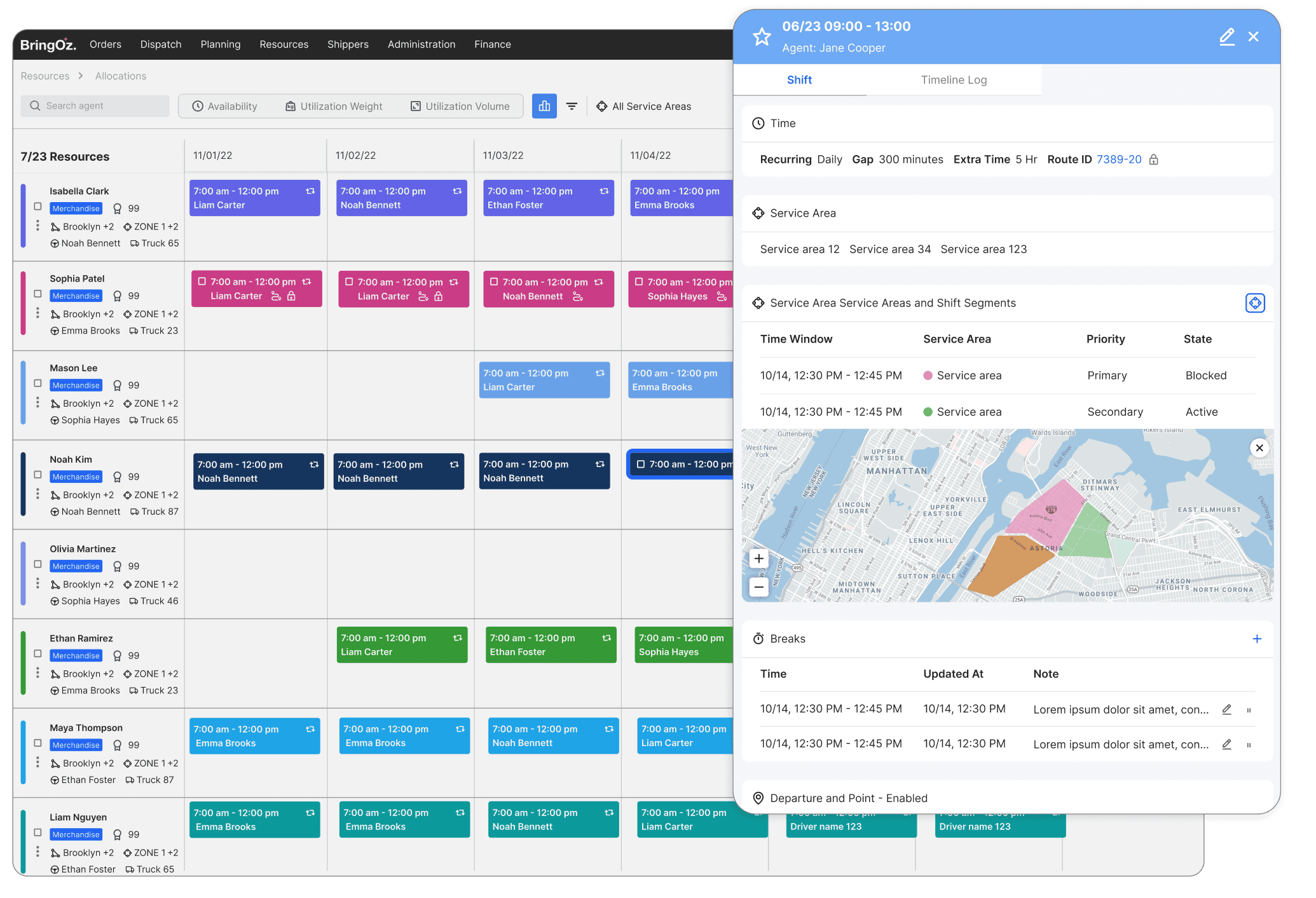
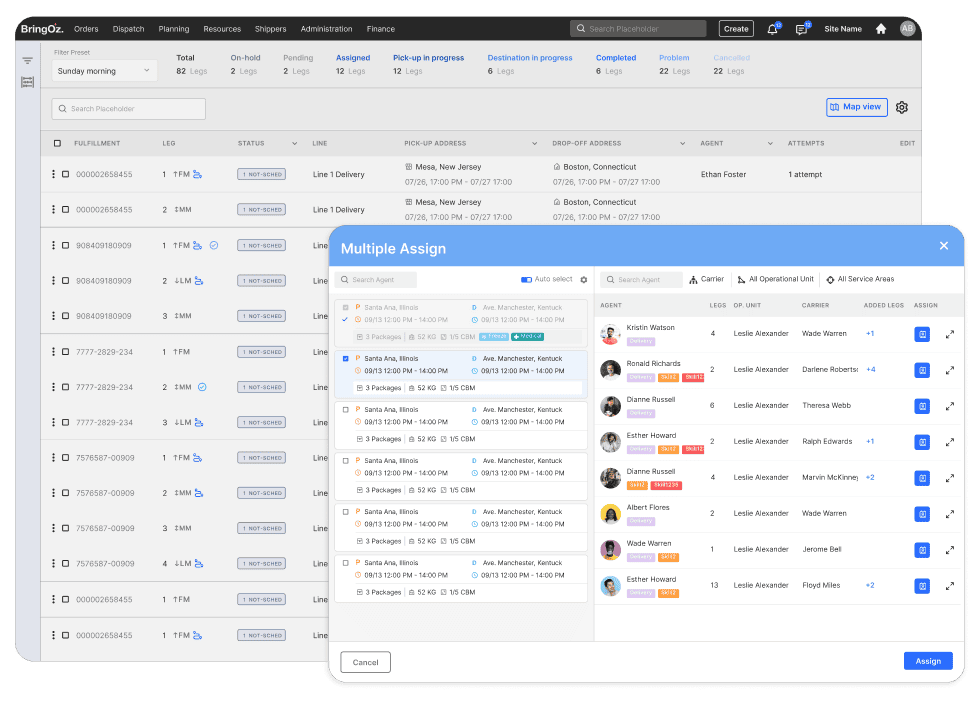
Route & Resource Allocation
Allocate routes and resources based on availability and constraints.
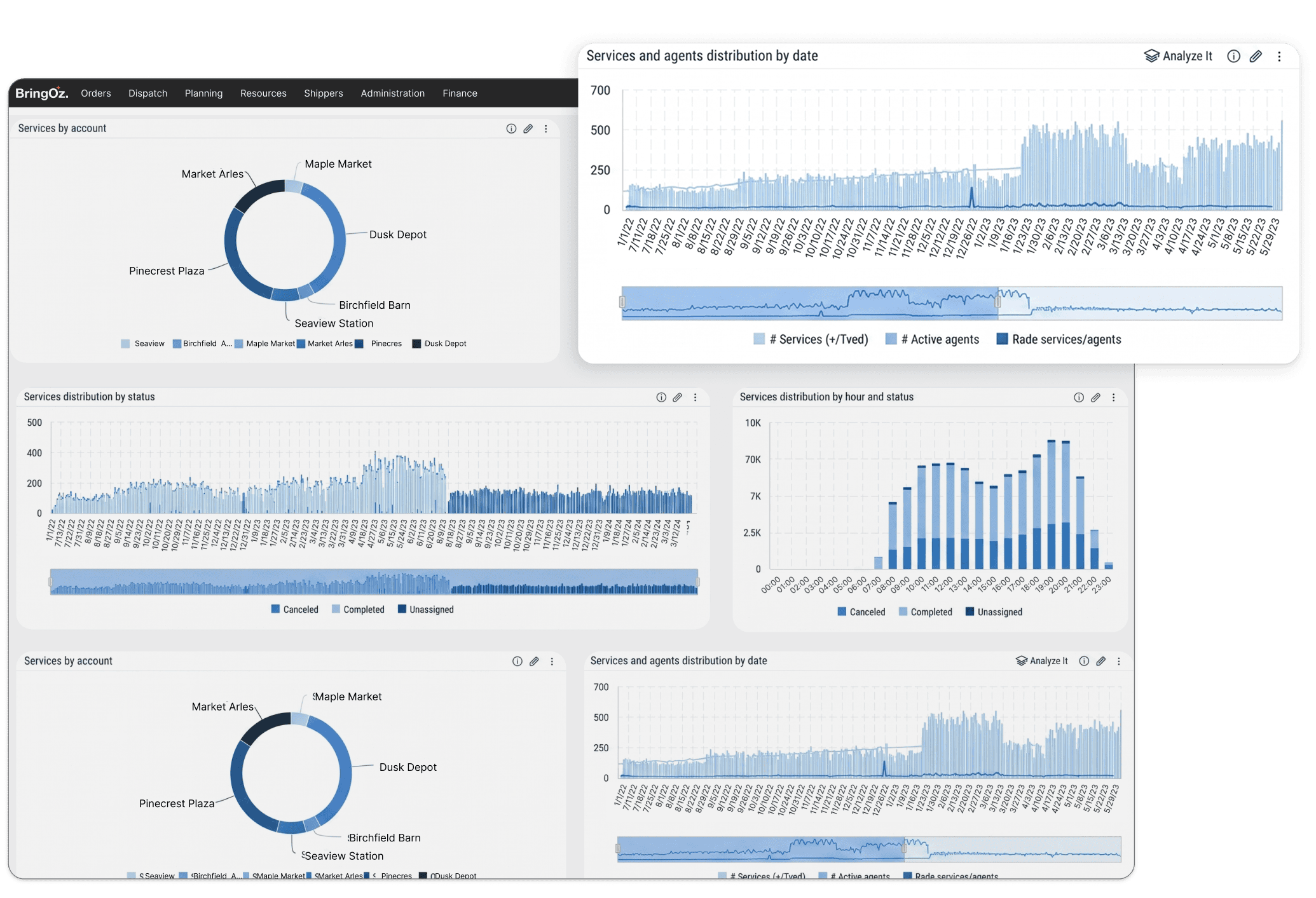
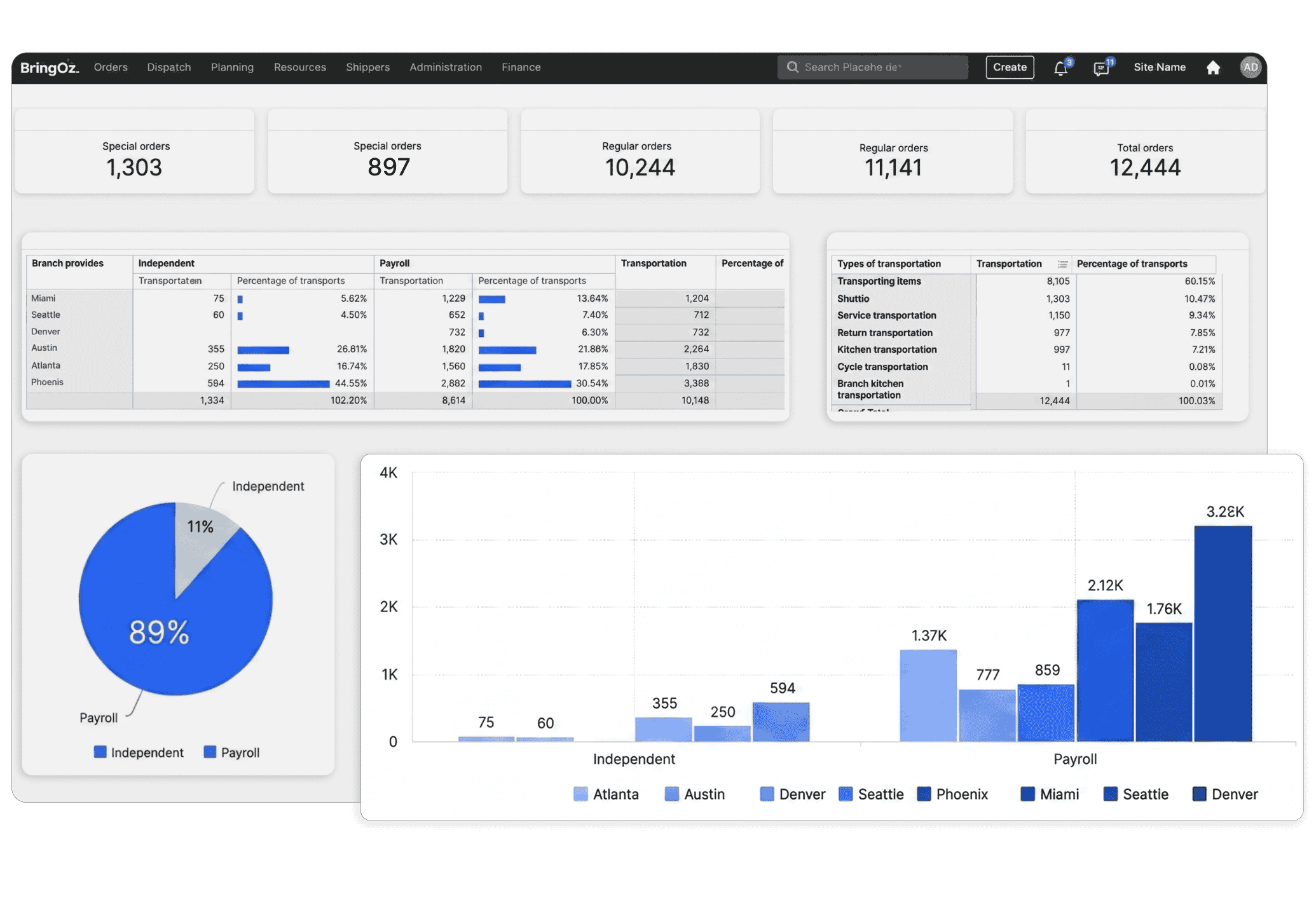
Analytics, Reporting & Scenario Modeling
Delivers planning performance insights and what-if simulations.
Enables data-driven decisions by modeling tradeoffs between cost, service, and capacity.
-
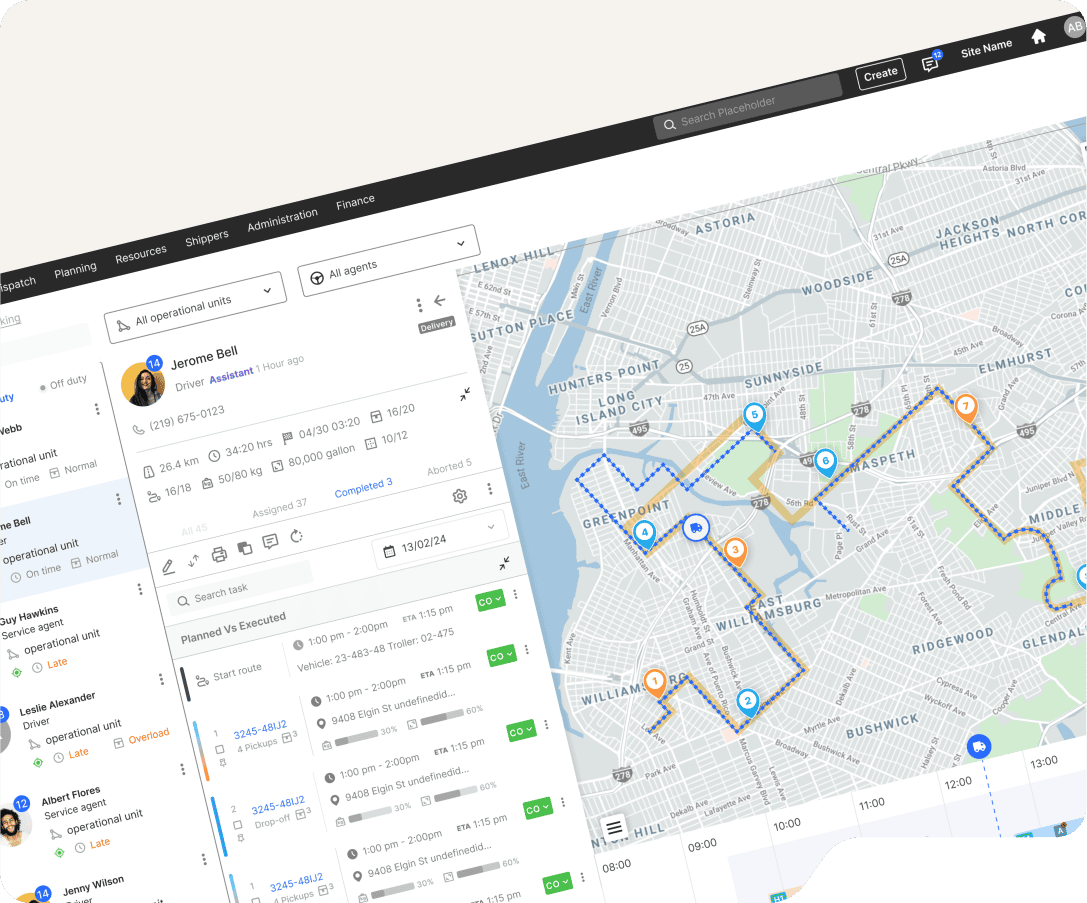
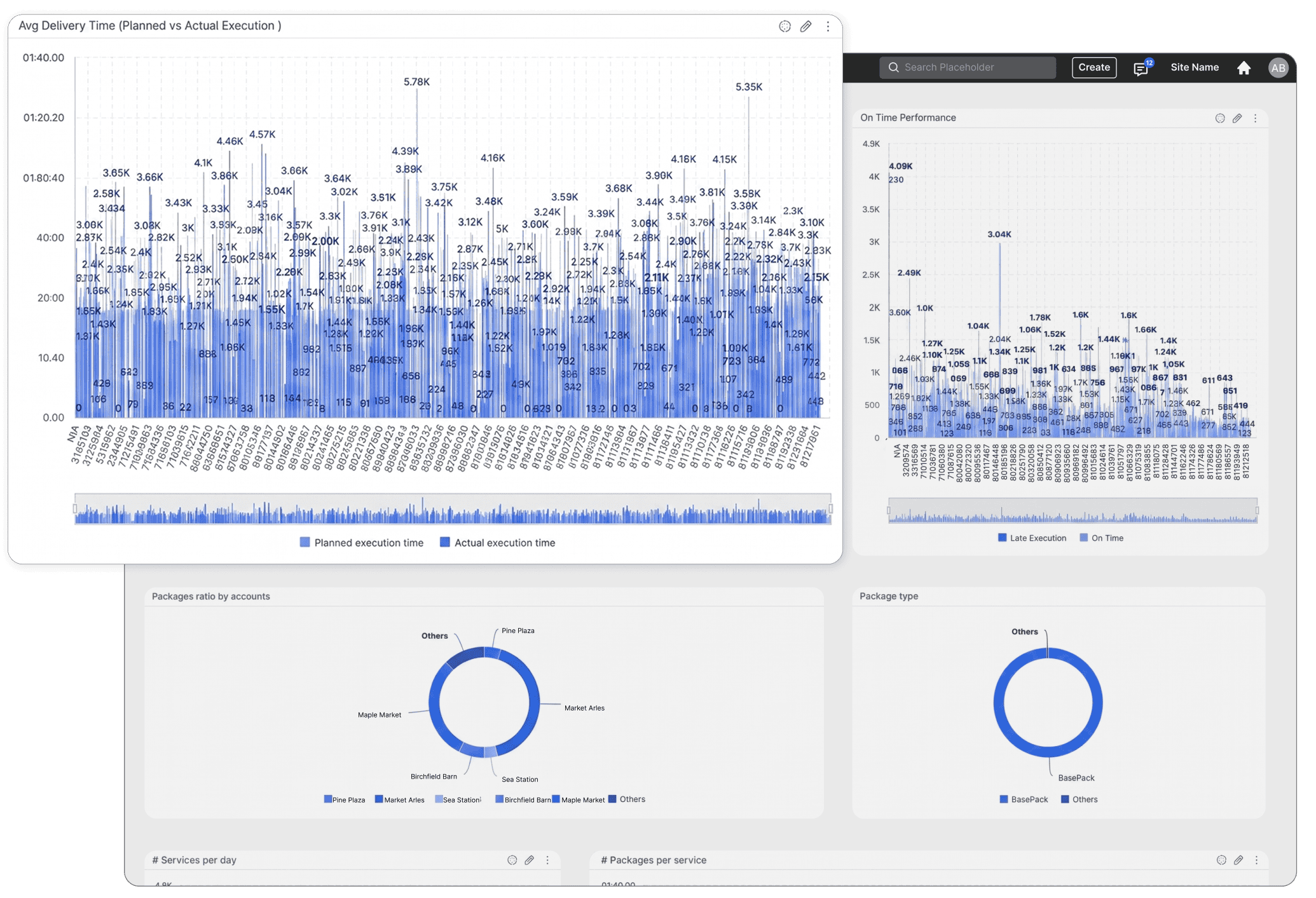
Compare planned and executed routes
to identify performance gaps. -
Measure planning accuracy by comparing
planned outcomes with actual execution. -
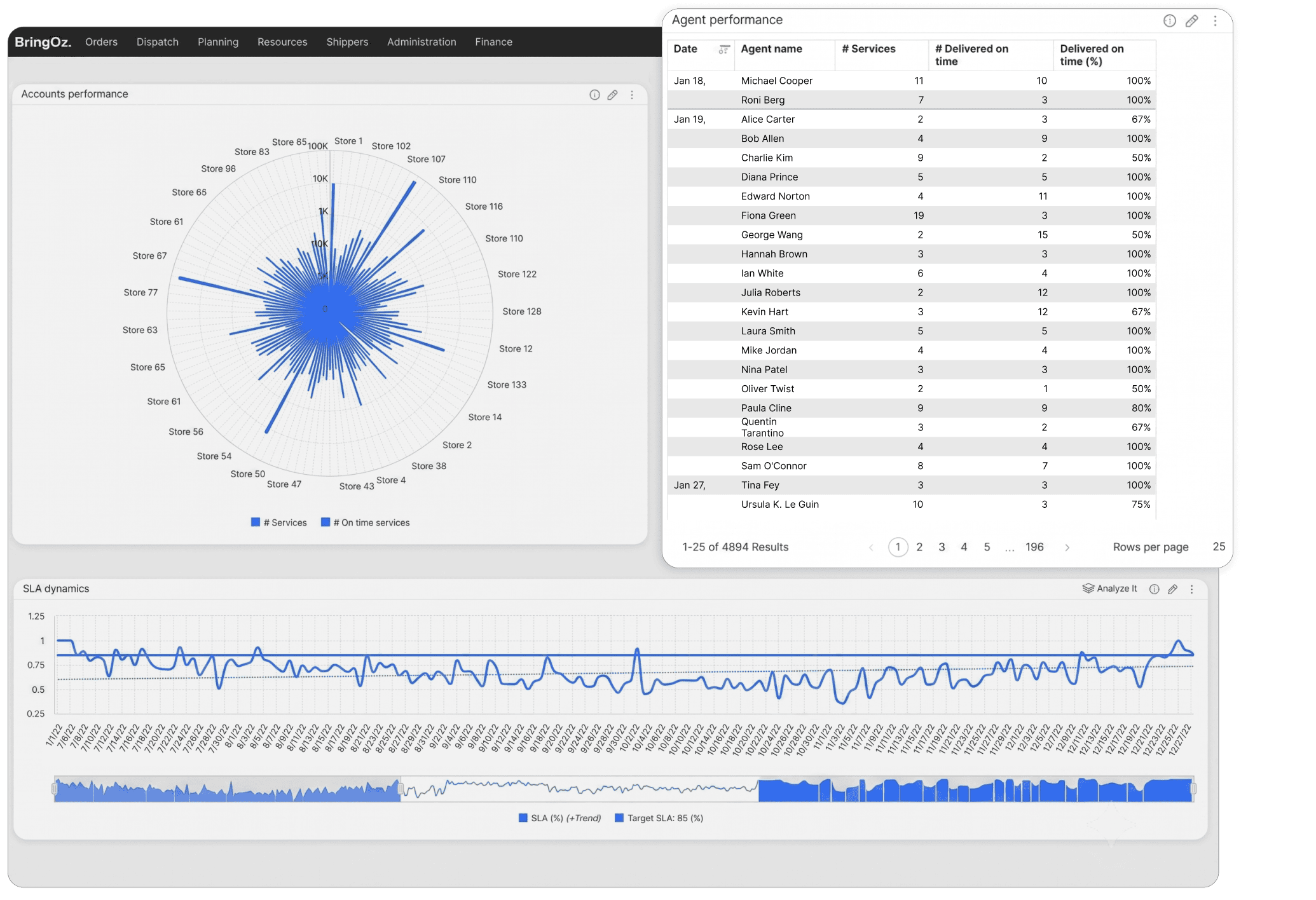
Monitor efficiency, resource utilization,
SLA compliance, and operational performance. -
Track service performance, operational efficiency,
and business outcomes. -
Analyze tradeoffs between cost, capacity, service levels, and operational efficiency.
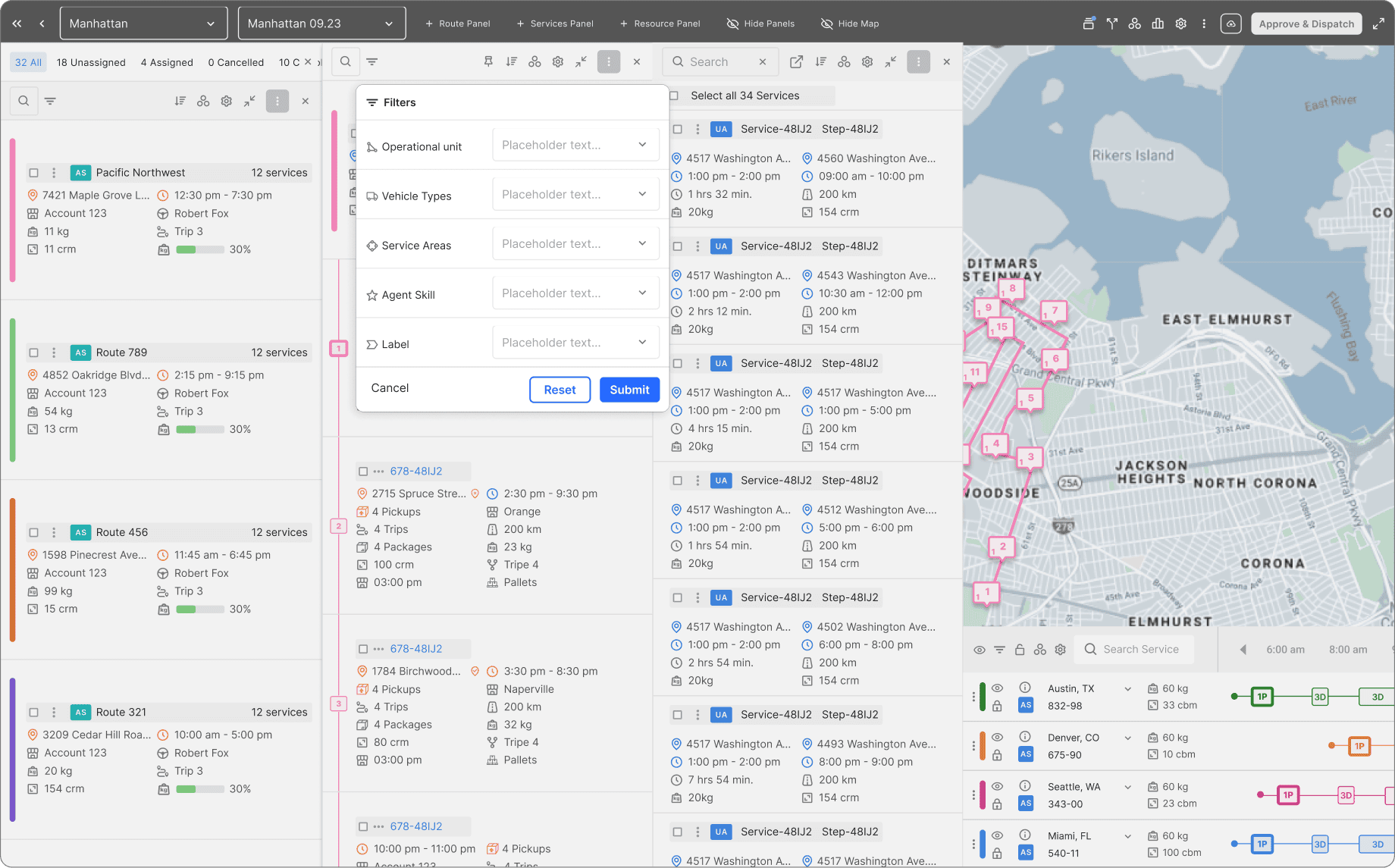
Reverse Logistics & Exception Recovery
Returns & Reverse Logistics Planning
Include returns and reverse flows in route planning.
Returns & Reverse Flow Execution
Incorporate pickups and reverse logistics into active routes.
Exception Recovery Planning
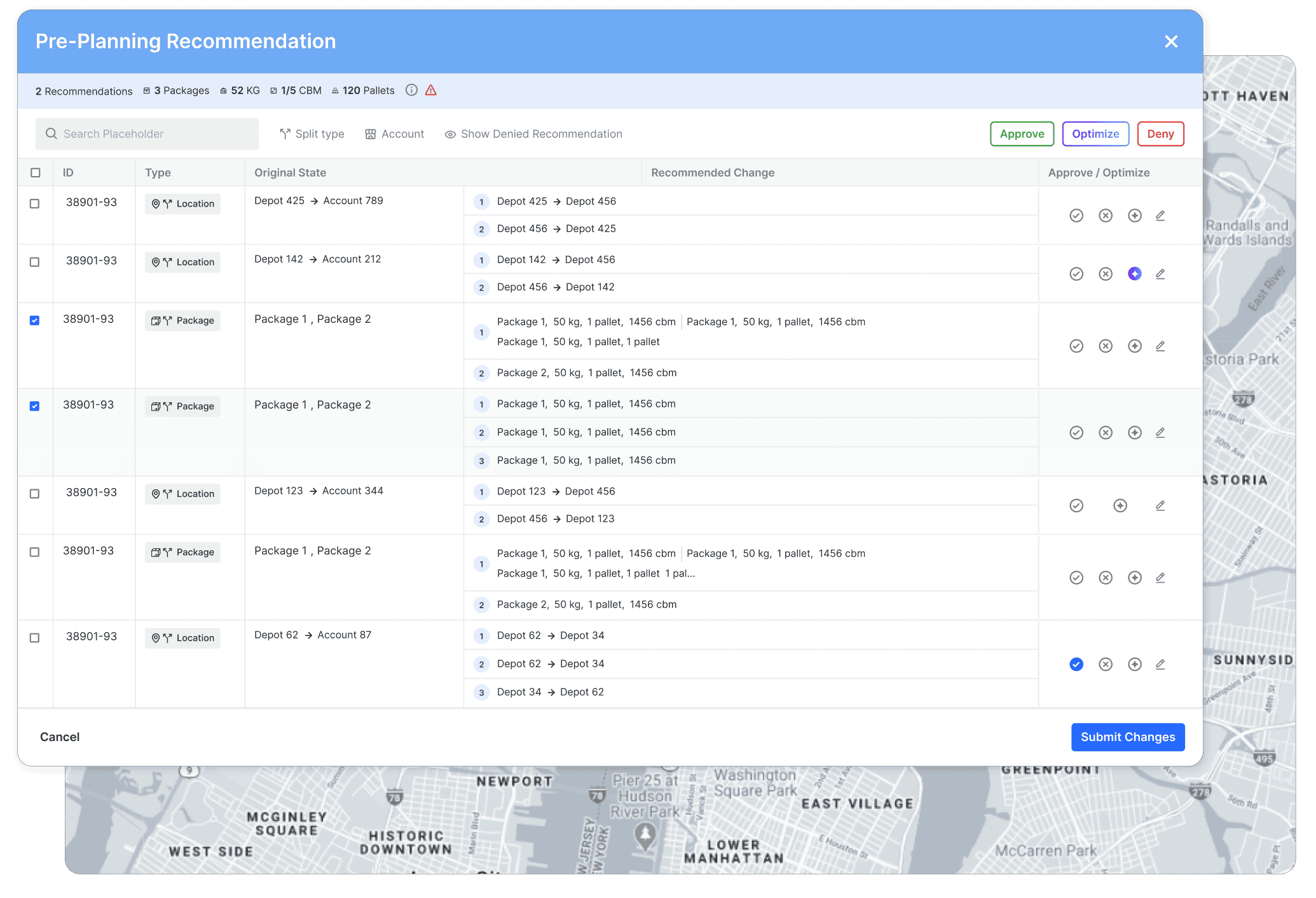
Plan recovery actions for failed executions.
Planning Exception Detection
Detect capacity issues, SLA risks, and infeasible routes.
FAQs
BringOz uses AI, optimization logic, demand, locations, resources, and constraints to build executable routes and schedules.
Yes. Plans can incorporate time windows, skills, capacity, SLAs, labor rules, availability, and configurable business constraints.
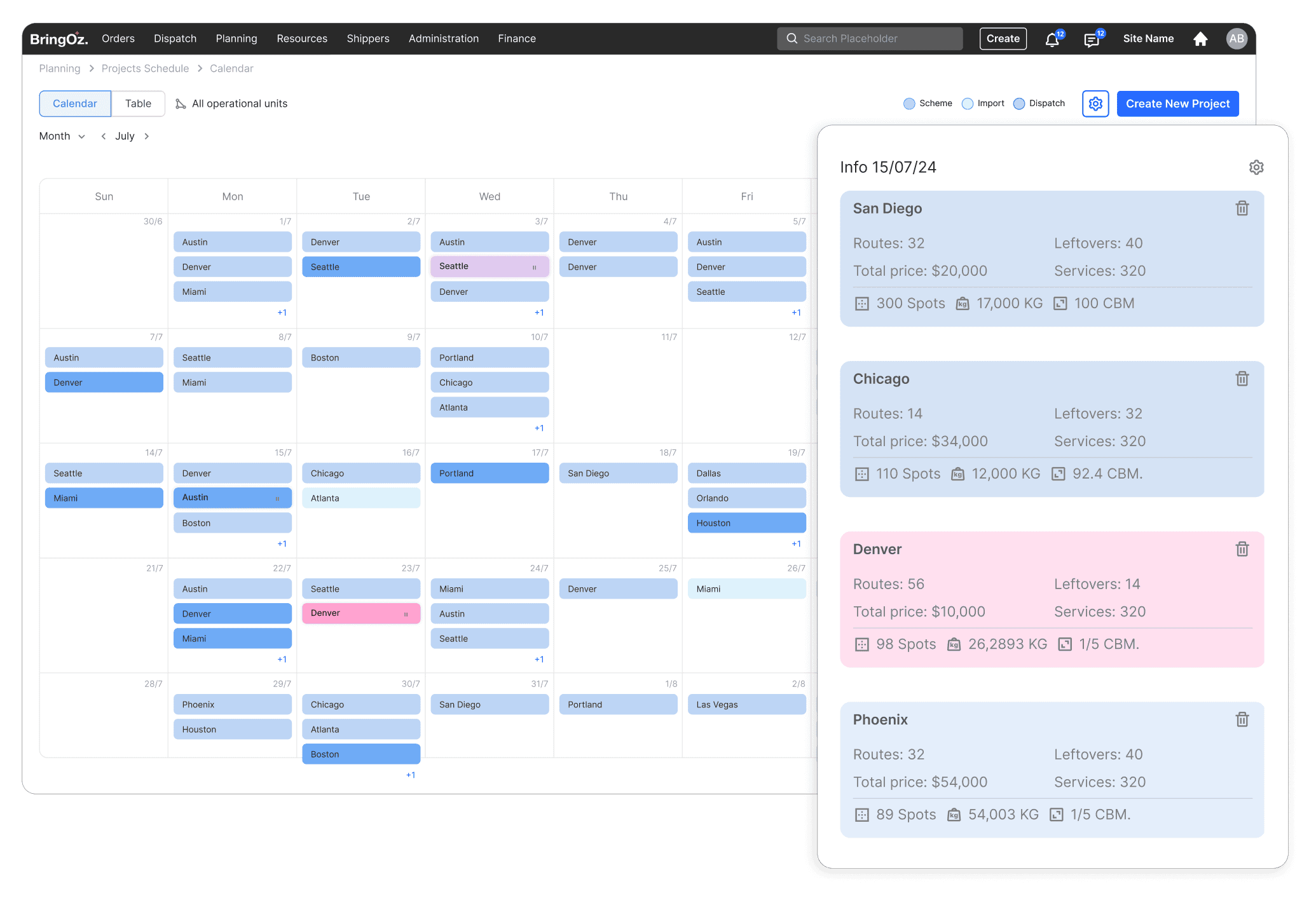
Yes. BringOz can create structured weekly plans and translate them into optimized daily schedules and routes.
Plans can be recalculated or re-optimized as priorities, capacity, demand, or operating conditions change.
Yes. What-if planning helps teams test alternatives and understand service, capacity, cost, and workload impacts before execution.
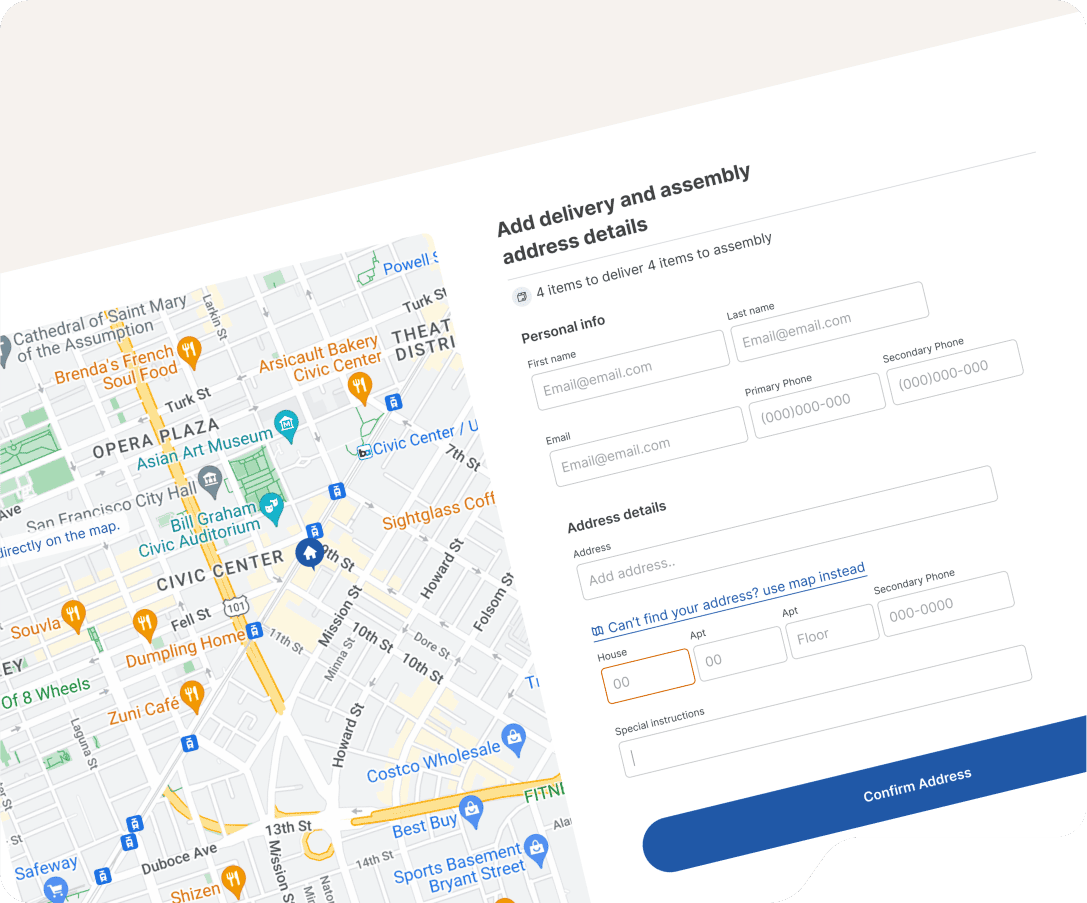
Yes. Planning can use orders, customer data, resource data, and other inputs from connected existing systems.
Not necessarily. BringOz is configurable and can be introduced alongside existing workflows while automating selected planning activities.
Yes. Rules, objectives, constraints, and planning parameters can be configured by region, business unit, service type, or workflow.
Automation reduces repetitive planning effort, shortens planning cycles, and supports growth without requiring proportional headcount increases.
BringOz validates route plans against configured constraints, resource availability, service commitments, and business rules before execution.
Curious about
pricing?
BringOz pricing depends on several factors. To provide an accurate quote, please complete the form and we’ll connect you with the right expert shortly.