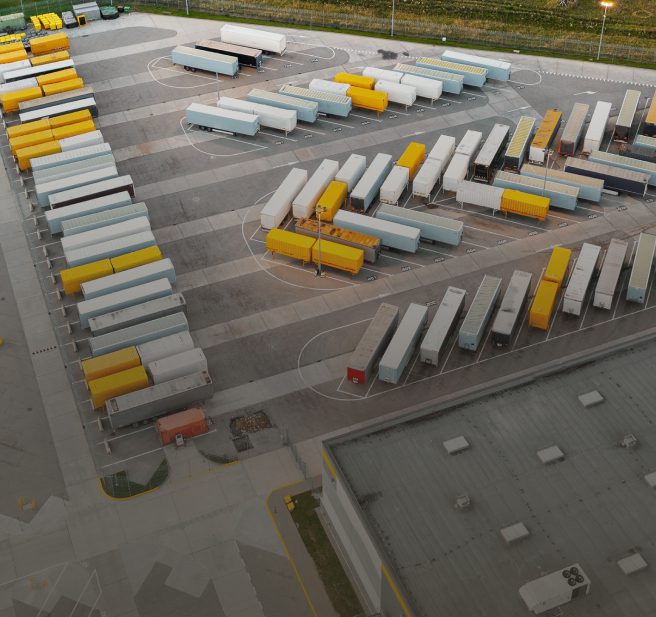
Companies that rely on vehicles to deliver products, services, or maintain operations are increasingly turning to fleet management systems to streamline their processes. Whether you’re managing a small fleet of delivery trucks or a large fleet across multiple regions, investing in fleet management technology is a step toward creating a more efficient, safer, and more profitable operation.
The fleet management software market has experienced significant growth in recent years, supported by several influential factors including growing emphasis on efficient fleet operations within companies, the demand for software that instantly shows vehicle locations, and driver behavior. The fleet management software market is projected to rise to $93.17 billion by 2032, according to a recent SNS Insider report.
As companies increasingly adopt fleet management solutions, here’s a look at the benefits of implementing fleet management systems and how they can transform fleet operations.
Improved Efficiency
One of the most significant advantages of fleet management systems is the ability to improve operational efficiency. Fleet management software can provide real-time data on vehicle locations, fuel usage, driving behavior, and maintenance needs. With this information, businesses can optimize routes, reduce idle times, and assign tasks to the most appropriate drivers based on location and skill. By optimizing routes, businesses can reduce fuel consumption, decrease delivery times, and minimize wear and tear on vehicles. For companies with large fleets, this can result in significant time and cost savings. Additionally, drivers spend less time searching for routes and can focus on their tasks, boosting productivity.
Reduced Costs
Advanced fleet management systems provide drivers with the most efficient routes, reducing fuel consumption, travel time, and vehicle wear and tear. By using GPS tracking and route optimization, businesses can significantly reduce fuel costs, monitor maintenance schedules, and ensure that vehicles are serviced regularly. Proactive maintenance can prevent costly breakdowns and extend the lifespan of vehicles, reducing the need for expensive repairs or premature vehicle replacements. Fleet management systems allow companies to make better use of their resources, including drivers, vehicles, and dispatchers, which can lead to further cost reductions.
Fleet Optimization
Fleet management systems provide a wealth of data, which can be used to make more informed decisions about operations, budgeting, resource utilization, and long-term strategy. With detailed reports on fuel consumption, driver performance, and route efficiency, managers can analyze trends and identify areas for improvement. These insights help businesses make better decisions regarding fleet expansion, vehicle replacements, and driver assignments. By identifying patterns in vehicle usage or driver performance, businesses can improve resource allocation, optimize their fleet’s performance, and reduce unnecessary expenses. Managers can create custom reports tailored to specific business goals, making it easier to set benchmarks and measure success.
Enhanced Customer Satisfaction
A well-managed fleet leads to faster deliveries, fewer delays, and a higher level of customer service, all of which contribute to increased customer satisfaction. Fleet management systems allow businesses to optimize delivery routes and improve communication with drivers. Reduced vehicle downtime and optimized routes mean more reliable delivery windows and on-time service. Real-time tracking allows customers to track their orders, enhancing the delivery experience. Fleet management systems can help dispatchers communicate proactively with customers in case of delays or schedule changes. Customers can receive real-time updates about their deliveries, increasing transparency and trust.
Businesses that implement fleet management systems not only streamline their operations but also gain a competitive advantage in an industry that demands efficiency, reliability, and adaptability. With the ability to track vehicles in real time, monitor driver behavior, and access data-driven insights, fleet management systems are a powerful tool for meeting customer expectations and enhancing fleet performance.
For more information about how our delivery management solution can help you manage your deliveries more efficiently, please contact us.