Logistics costs can make up a significant portion of a B2B company’s expenses, impacting profitability and operational efficiency. Supply chain disruptions and evolving customer expectations make it essential for businesses to find innovative ways to cut costs without compromising service quality.
Here’s a look at some strategies B2B companies can use to reduce logistics costs while improving delivery speed, efficiency, and customer satisfaction.
Improve Delivery Efficiency
Freight and transportation costs make up a significant portion of logistics expenses. Inefficient delivery routes not only waste fuel but also lead to delivery delays and higher transportation costs. Nearly 70% of companies say they frequently adjust delivery routes in real time, leading to unexpected delays that can negatively affect customer satisfaction and lead to higher costs, according to a new Ortec survey. For B2B companies with large fleets or complex logistics, optimizing delivery routes can significantly lower costs while improving efficiency.
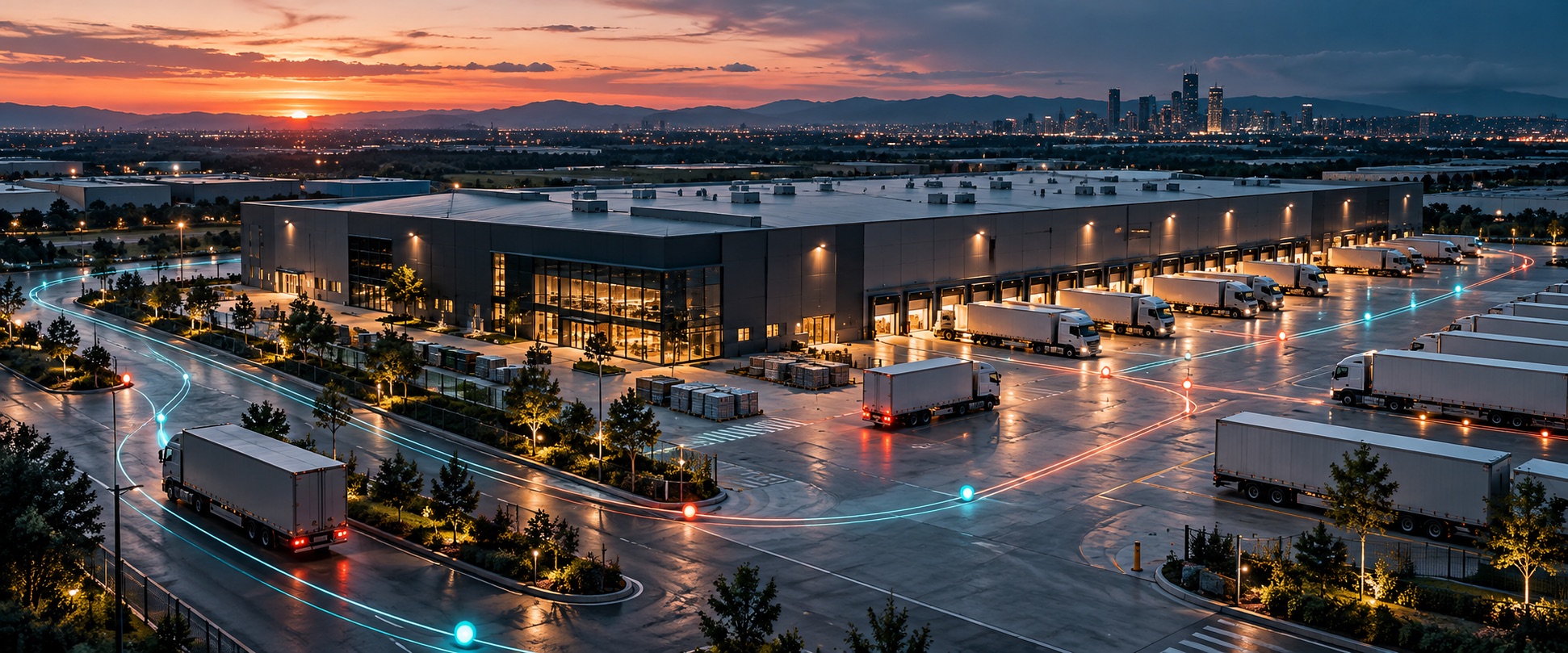
Route optimization software considers factors including distance, vehicle capacity, and delivery time-windows to create the most efficient routes. This reduces fuel consumption and driver overtime, resulting in saving on labor and fuel costs. Dynamic route optimization allows companies to adjust routes in real-time, minimizing delivery disruptions. By consolidating orders destined for similar locations, companies can maximize load capacity and reduce the number of trips, saving both time and money.
Automate Warehouse Operations
Manual handling of goods in warehouses or fulfillment centers can be labor-intensive and costly. Poor warehouse organization and manual processes lead to longer picking and packing times, increasing labor costs and delaying deliveries. Seventy-four percent of warehouse workers report they spend too much time on tasks that could be automated, according to a new study from Zebra Technologies.
Warehouses and fulfillment centers are integrating robotics and automation to improve productivity, enhance operational efficiency, and speed up fulfillment operations. Sixty-three percent of warehouse leaders have already accelerated their tech investments or plan to do so by 2029, while 64% of them expect to increase spending on warehouse modernization in the next five years. Automated storage and retrieval systems and robotics streamline warehousing, improve order accuracy, and optimize space usage, leading to significant cost savings.
Diversify Shipping Methods and Carriers
Relying on a single carrier or mode of transport can lead to higher costs, limited flexibility, and service disruptions. Rather than relying on a single carrier or transportation method, businesses can benefit from intermodal logistics solutions such as combining rail and truck shipping to reduce fuel costs. Partnering with multiple shipping providers allows businesses to compare rates and choose the most cost-effective options.
Companies can adjust carrier selection based on shipment size, urgency, and destination to optimize expenses. Delivery costs can add up quickly, but B2B companies can negotiate lower freight rates by building long-term relationships with carriers. Managing an in-house logistics operation can be costly and resource-intensive. Many B2B companies partner with third-party logistics providers to improve efficiency and reduce costs. Businesses can reduce infrastructure investments by using 3PL facilities instead of building their own.
Reducing logistics costs is essential for B2B companies to maintain profitability and prosper in the future. By improving freight efficiency, automating warehouse operations, and leveraging alternative shipping methods, businesses can stay ahead of rising costs while maintaining service reliability.
For more information about how our delivery management solution can help you manage your deliveries more efficiently, please contact us.