Last-mile delivery is one of the most complex and costly aspects of logistics. Unlike B2C deliveries, which typically involve small packages sent to individual consumers, B2B last-mile delivery often involves larger, bulkier deliveries that require special handling and reliable on-time delivery.
Businesses depend on timely deliveries to keep operations running smoothly, making last-mile efficiency critical. However, challenges such as high costs, route inefficiencies, and supply chain disruptions can create delivery delays, disrupt business operations, and impact customer satisfaction.
Here’s a look at B2B last-mile delivery challenges and strategies companies can use to overcome them.
High Delivery Costs
Last-mile delivery accounts for a significant portion of overall shipping costs due to fuel expenses, labor costs, and inefficient routing. Poor route planning results in unnecessary mileage, missed deliveries, and delays, all of which add up to higher costs. Additionally, companies that don’t consolidate deliveries often end up making multiple trips to the same customer, further increasing delivery expenses. With the right strategies in place, businesses can transform last-mile delivery from a costly bottleneck into a competitive advantage.
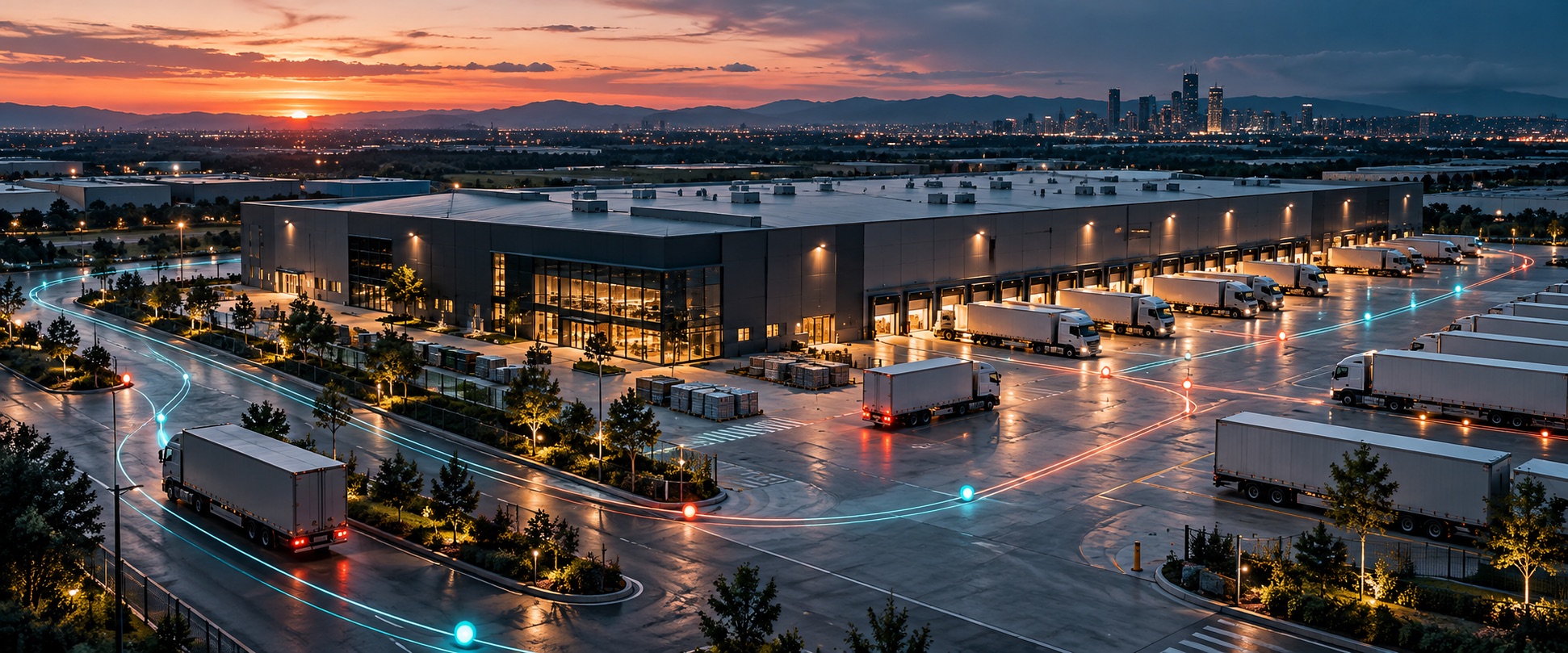
Implementing route optimization tools can help businesses plan smarter, more efficient routes for their delivery vehicles, reducing fuel consumption, and shortening delivery times. Delivery management systems enable businesses to consolidate loads, combining multiple orders into a single delivery, to maximize truck capacity and minimize the number of trips needed. Real-time routing capabilities enable businesses to optimize delivery routes dynamically. Delivery teams can quickly adjust to delivery changes and unexpected disruptions, contributing to greater efficiency, flexibility and faster deliveries.
Evolving Customer Expectations
B2B customers are becoming increasingly demanding when it comes to delivery. They expect fast, flexible, and transparent delivery services similar to what they experience in B2C retail. The rise of B2B eCommerce platforms has intensified the demand for speedy, seamless delivery options. To meet increasing customer demands, businesses should offer real-time delivery tracking and automated notifications, ensuring customers are kept in the loop throughout the delivery process.
Real-time visibility enables companies to proactively address issues before they become problematic and lead to delays. B2B businesses can also partner with regional carriers to improve last-mile speed and scalability. PartsSource is forming stronger partnerships with carriers in order to offer more reliable and cost-effective delivery options to customers. By collaborating closely with carriers, the B2B marketplace can improve delivery schedules and better respond to the needs of its customers.
Complex Delivery Requirements
B2B deliveries often involve larger deliveries, time-sensitive dropoffs, temperature-sensitive products, and strict compliance requirements. Some industries, such as healthcare or manufacturing, demand specialized equipment or temperature-controlled vehicles. Additionally, deliveries must align with a company’s operational hours and unloading capabilities, making scheduling more complex. This complexity increases the risk of damage and added costs. Missed or late deliveries can disrupt supply chains, causing delays in production or retail availability.
Real-time tracking technology allows businesses to monitor deliveries in real time and provide accurate updates to customers. Route planning software can help logistics teams automate and streamline route planning while factoring in delivery constraints such as package requirements, delivery urgency, driver skills, and delivery location. Businesses should offer multiple delivery options, including flexible delivery windows or dropoff points where goods can be securely left, allowing businesses to ensure that deliveries align with their customer’s operational hours and minimizing the chance of missed deliveries.
Overcoming B2B last-mile delivery challenges requires a combination of technology, innovation, and efficient logistics practices. By adopting smarter route optimization, enhancing delivery visibility, and offering more flexibility in delivery options, businesses can improve their last-mile delivery process and meet the growing expectations of their B2B customers. Investing in the right tools and strategies will help companies stay competitive and build stronger, more reliable relationships with their clients.
For more information about how our delivery management solution can help you manage your deliveries more efficiently, please contact us.