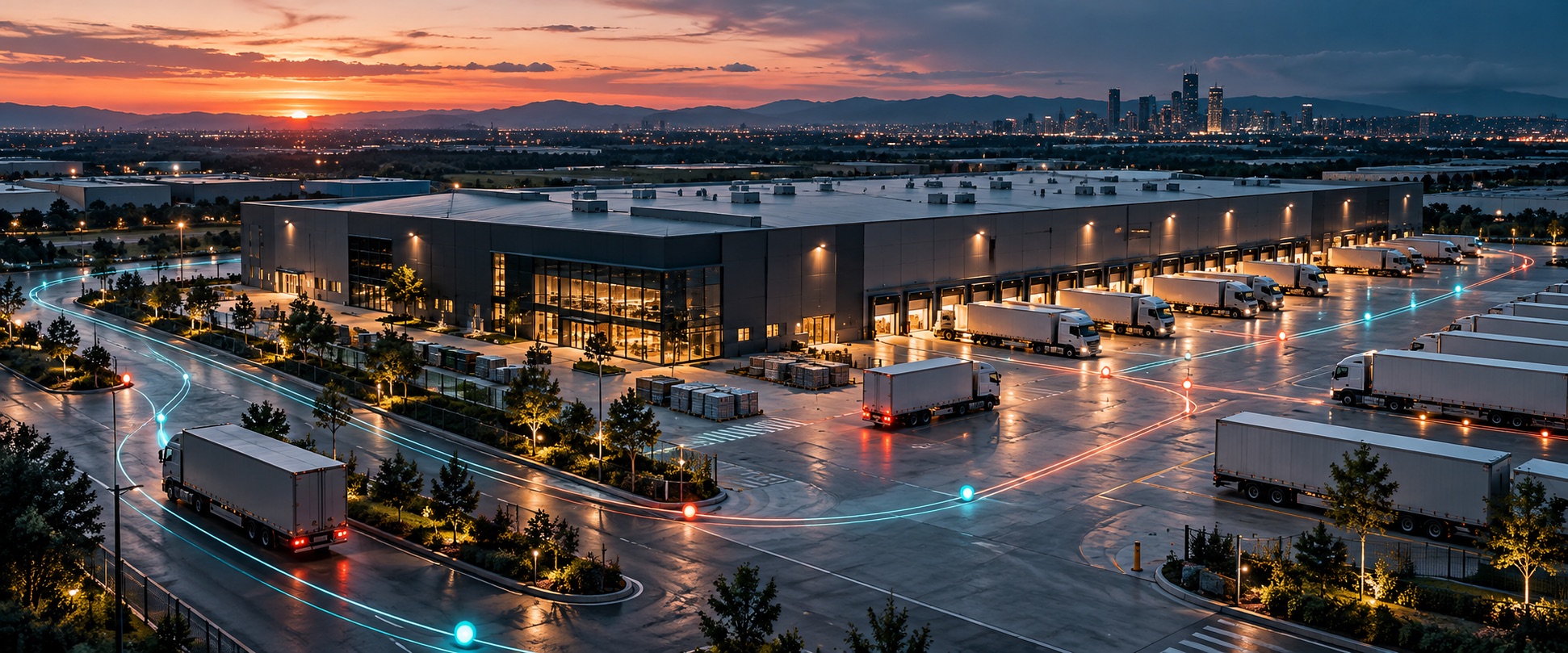
Logistics is no longer just about moving goods, it’s about managing complex delivery networks with speed and precision. Same-day and on-demand delivery options are no longer nice-to-haves, they’re expected. These demands are pushing companies to rethink how they operate. In this high-pressure environment, digital-first companies are pulling ahead. They’re not just adopting new tools, they’re building their entire logistics operations around technology, automation, and real-time data. As a result, they’re faster, more resilient, and more scalable than competitors still relying on manual processes and outdated systems.
Logistics companies are prioritizing digitization, with nearly 40% planning to dedicate more than a quarter of their budgets to technology. For digital-first companies, technology isn’t a support function, it’s the backbone of their operations. From delivery orchestration and route planning to driver management and performance analytics, software powers every step. This tech-driven approach provides end-to-end visibility and enables teams to respond in real time to delays, disruptions, and demand spikes.
Here’s a look at what sets digital-first logistics operations apart.
Speed and Agility
Digital tools streamline operations, enabling fast decision-making and agile delivery management. Logistics automation software helps companies simplify and expedite delivery tasks. However, traditional companies often get bogged down by manual processes and legacy systems. Disconnected tools and data silos create delays and inefficiencies. By consolidating data into unified platforms, digital-first teams eliminate delays caused by manual handoffs, spreadsheets, and disconnected tools. Tasks that once took hours can now be done in minutes.
Disruptions such as extreme weather, geopolitical events, and sudden demand spikes constantly test logistics networks. When disruptions hit, digital-first companies can pivot quickly. Real-time dashboards and dynamic route optimization allow for live delivery monitoring and instant route adjustments, minimizing delays and costs. Traditional logistics operations, limited by manual workflows, often lack this agility, resulting in delays, higher costs, and unhappy customers.
Customer-Centric Experiences
Customer experience in logistics now goes beyond delivery itself. Customers expect visibility, reliability, and clear communication. Digital tools provide transparency through real-time tracking, accurate ETAs, self-service portals, and proactive notifications when delays occur. This level of visibility builds trust and strengthens customer relationships.
Customers also expect delivery options that fit their schedules and preferences. According to a report by Impinj, 56% of supply chain leaders face growing pressure to offer faster and more flexible delivery and pickup options. At the same time, 51% of consumers are likely to stop buying from brands that don’t provide convenient choices. Digital-first companies can meet these expectations through delivery management software that enables flexible fleet management of both in-house and third-party drivers. This makes it easy to support multiple delivery models, same-day, next-day, or on-demand, based on what customers want.
Data-Driven Decision Making
Traditional logistics operations are often reactive, relying on spreadsheets and historical reports. Issues like missed deliveries or underused fleets are often discovered after the fact. Digital-first logistics companies take a proactive approach. By using delivery management platforms and real-time data from orders, vehicles, drivers, and customers, teams can spot problems as they emerge. This allows them to anticipate delays, take corrective action, and minimize customer impact.
As logistics companies face increasing customer demands, historical data alone is no longer enough. Advanced analytics and reporting tools help companies identify delivery patterns, track seasonal trends, and evaluate driver performance. With these insights, logistics teams can improve route optimization, forecast demand more accurately, and use resources more efficiently.
Scalability
As order volumes increase and companies expand into new markets, manual processes quickly become a bottleneck, leading to higher costs, inefficiencies, and declining service quality. Digital-first companies scale efficiently thanks to automation. SaaS-based logistics platforms can be deployed across multiple locations without the burden of complex infrastructure. This makes it easier to enter new markets, launch new services, or adapt to customer needs, without significant overhead. Automation also simplifies tasks like driver onboarding, shift scheduling, route navigation, and proof-of-delivery. Teams can onboard large numbers of drivers quickly while maintaining consistent service quality.
Digital-first logistics companies aren’t winning because they adopted more tools, they’re winning because they’ve built operating models where technology enables faster decisions, more reliable delivery execution, and better customer experiences. By relying on real-time data, logistics automation, and intelligent delivery management, logistics companies can create faster, smarter, and more resilient logistics networks.
For more information about how our delivery management solution can help you manage your delivery operations more efficiently, please contact us.