
Streamlining Delivery Workflows Through Technology Adoption
Efficient delivery workflows have become essential for companies as customer expectations for speed, accuracy, and real-time visibility increase. However, many companies struggle with outdated processes that increase delays, errors, and operating costs. Streamlining delivery workflows through technology adoption is one of the most effective ways to eliminate operational bottlenecks, reduce costs, and increase visibility.
Here’s a look at where delivery workflows usually break down and how businesses can streamline delivery workflows for enhanced delivery management and enjoyable customer experiences.
Why Delivery Workflows Need a Digital Upgrade
Delivery teams juggle a long list of tasks including dispatching, route planning, tracking, driver communication, and customer updates. When workflows rely heavily on spreadsheets, phone calls, or outdated tools, operations slow down and costs go up. Sixty-one percent of logistics companies rely on outdated tools or patched systems, according to a recent report from Trigent Software. Managing tasks with outdated tools leads to multiple challenges including inefficient routing, limited real-time visibility, inconsistent delivery updates to customers, failed deliveries, and poor coordination between drivers, dispatchers, and customers.
The last mile can be unpredictable. Traffic, inaccurate addresses, and unavailable customers can delay deliveries and frustrate drivers. Small delays compound, ETAs slip, customers call for updates, and customer support gets overwhelmed. Technology addresses these challenges by automating tasks, increasing visibility, enabling real-time route adjustments, and supporting smarter decision-making. Technology adoption streamlines the delivery process so teams can deliver more orders with fewer errors, less manual work, and a better customer experience.
How Technology Streamlines Delivery Workflows
Order Ingestion and Integration
Delivery orders can come from multiple channels. Orders might come from an eCommerce platform, ERP, POS, or B2B purchase orders. If those sources don’t connect cleanly to dispatch and driver tools, teams end up copy-pasting data and chasing updates. When order data is incomplete, delayed, or manually entered, errors grow throughout the delivery process.
Delivery technology integrates directly with different systems such as eCommerce platforms, order management systems, warehouse management systems, and ERP and POS solutions. This integration ensures that orders flow automatically into the delivery platform with accurate addresses, delivery windows, customer preferences, and special instructions. Integrated systems eliminate manual data entry, reduce errors, accelerate order-to-dispatch time and enable end-to-end visibility, minimizing delivery blind spots.
Dispatch Automation and Smart Assignments
Dispatching is where many teams lose hours every day, especially if they’re manually matching drivers to deliveries. In many companies, dispatching still relies heavily on phone calls, emails, or spreadsheets. This creates delays, miscommunication, and dependency on individual dispatchers. Delivery management systems drastically reduce route planning time. What once took hours, coordinating drivers, vehicles, and delivery windows, can now be done in minutes with high accuracy and efficiency.
Delivery management software automates dispatch by assigning routes to drivers digitally, sending routes directly to driver mobile apps, updating drivers in real time when changes occur, and providing centralized visibility to operations teams. Rule-based assignments enable efficient resource allocation, matching resources based on different factors including vehicle type, delivery zones, driver skills, and shift times. This removes friction between dispatchers and drivers, enhances productivity, and improves on-time delivery.
Mobile Driver Apps
Drivers are at the center of last-mile execution, yet they are often supported by outdated tools. Mobile apps replace paper forms and outdated handheld devices, accelerate workflows, and enhance operational efficiency. Driver-facing mobile apps streamline on-the-road workflows by putting everything drivers need in one place.
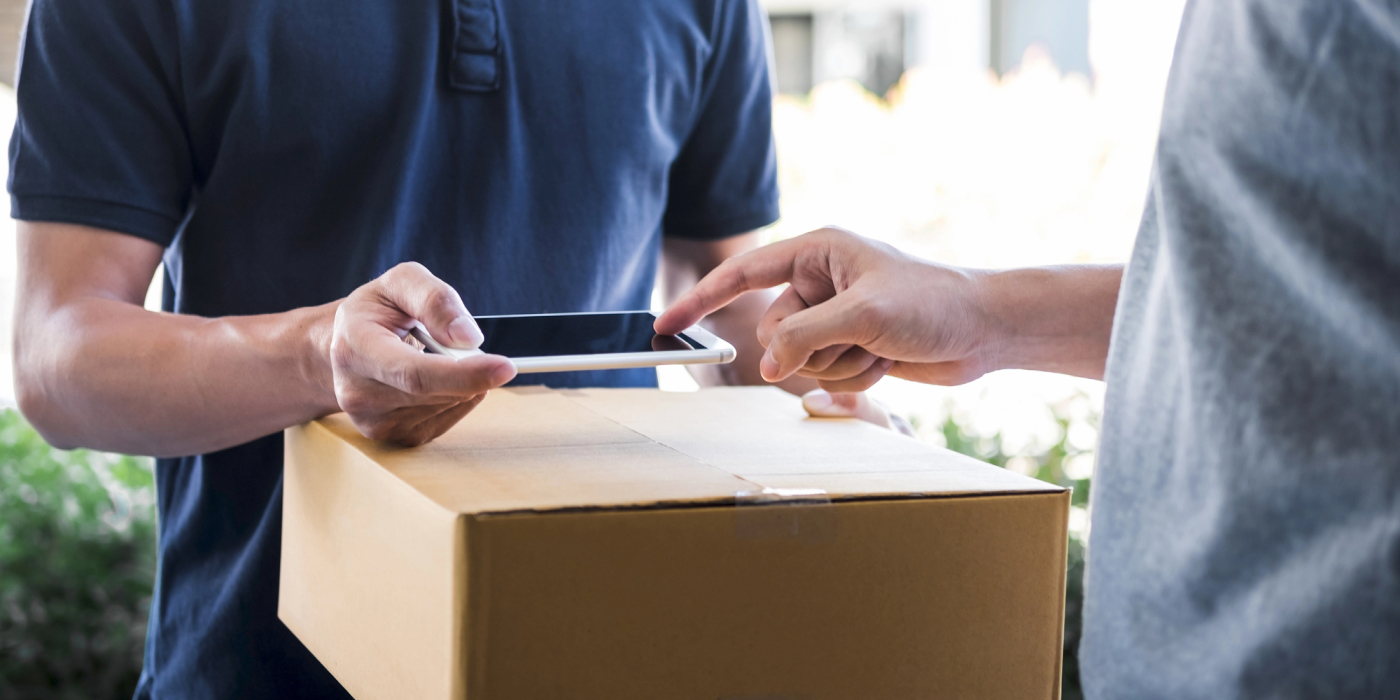
Driver apps typically include turn-by-turn navigation, automated task lists, customer contact details, delivery instructions, and digital proof of delivery capabilities. By guiding drivers through their routes and tasks, mobile apps reduce confusion, shorten delivery times, and improve driver satisfaction. With everything in one place, drivers avoid paperwork, reduce errors, and complete more stops per shift.
Automated Customer Communication
Manual customer communication is time-consuming and inconsistent. Customers increasingly expect transparency and proactive updates. Delivery management systems remove the need for manual customer updates by streamlining communication and enabling companies to send automated notifications throughout the delivery process. These typically include delivery ETAs, delay alerts, and delivery confirmation.
Two-thirds of shoppers now feel a surge of anxiety after clicking “buy” for an online purchase as they increasingly face delivery issues. Seventy-four percent of consumers have experienced a late delivery in the past year, and 86% encountered at least one delivery issue, according to a new report from Narvar. A huge portion of delivery friction happens because customers don’t know what’s happening. By keeping customers informed, businesses reduce customer support calls, minimize missed deliveries, and improve customer satisfaction.
Technology is no longer optional for companies that want to build resilient, efficient delivery operations. By embracing modern delivery technologies, companies can unlock higher productivity, lower costs, and optimized delivery operations.
For more information about how our delivery management solution can help you manage your delivery operations more efficiently, please contact info@bringoz.com.