
Reducing Delivery Errors Through Automation
Logistics has never been more demanding. Customers expect faster delivery, real-time tracking, and reliability, while operations teams face rising costs, limited driver capacity, and more complex fulfillment networks. But behind every successful delivery is a long chain of decisions and handoffs. When those steps rely on manual work, disconnected systems, or inconsistent processes, delivery errors become inevitable. Operational errors can damage reputations, drain resources, and push customers toward competitors.
Logistics automation is one of the most effective ways for reducing delivery errors, removing manual bottlenecks, and ensuring every order follows the right path, from fulfillment to final dropoff. With automation, businesses can streamline delivery operations using delivery management systems, route optimization, and real-time delivery tracking to reduce failed delivery attempts. Automation has become a valuable tool for companies striving for operational efficiency, cost optimization, and customer satisfaction.
Here’s a look at how automation reduces delivery errors and strengthens the delivery experience.
The High Costs of Operational Errors in Logistics
Delivery errors can be highly disruptive to the customer experience. Common delivery errors include delivering the wrong item, missing items in a multi-item order, late deliveries due to inefficient routing, and inaccurate tracking updates. Incorrect deliveries result in returns, re-delivery attempts, and increased transportation costs. Missed deliveries or late arrivals damage trust and can erode customer loyalty. In addition to the financial costs, these mistakes disrupt team productivity.
Time spent on manual troubleshooting could be better used for strategic tasks such as customer service, process optimization, and innovation. In a competitive market where customers expect fast, accurate, and transparent service, there is little room for error. That’s why logistics companies are investing heavily in automation solutions that reduce friction, improve productivity, and boost delivery performance. Transportation and logistics companies using automation saw productivity increase 21% with improvements in delivery and inventory workflows, according to a recent study by Zebra Technologies and Oxford Economics.
Warehouse Automation Improves Pick-and-Pack Accuracy
When people think about delivery performance, they often focus on routes, drivers, and last-mile execution. But many errors originate before a package ever leaves the warehouse. Manual picking is prone to errors, especially during high-volume periods. If the wrong item is picked or an order is incomplete, no amount of great routing can fix the customer experience. Warehouse automation addresses these issues. By automating picking, packing, and inventory management, companies eliminate many of the errors that disrupt deliveries downstream. The result is not just faster fulfillment, but predictable, reliable, and accurate delivery performance.
Global organizations invested about $21 billion in warehouse automation in 2023, with automated storage and retrieval, conveyors, software and robotics ranking among the top picks for modernization. By 2033, that number is expected to exceed $90 billion, as warehouse and DC automation becomes a core operational requirement. Some of the key momentum drivers include ongoing eCommerce growth, persistent labor shortages, and the need to balance cost reductions with improved operational efficiency, according to a Peerless Research Group study.
Automated Order Routing Reduces Wrong Fulfillment Decisions
In logistics networks with multiple warehouses, stores, or fulfillment hubs, routing an order from the wrong location causes delays, substitutions, or cancellations. Manual route planning is time-consuming and often inefficient. Drivers may take inefficient routes or arrive late due to unforeseen traffic, leading to missed time windows, increased fuel costs, and late deliveries.
Delivery management systems solve this by automating route planning and using advanced algorithms to determine the most efficient delivery routes based on multiple constraints such as distance to the customer, delivery windows, vehicle capacity, driver availability, and delivery SLA requirements. Real-time route optimization dynamically updates routes as conditions change. This not only ensures on-time deliveries but also lowers costs and reduces delivery errors like delivering from a low-stock location or selecting a fulfillment site that can’t meet the promised delivery window.

Real-Time Tracking Eliminates Visibility Gaps
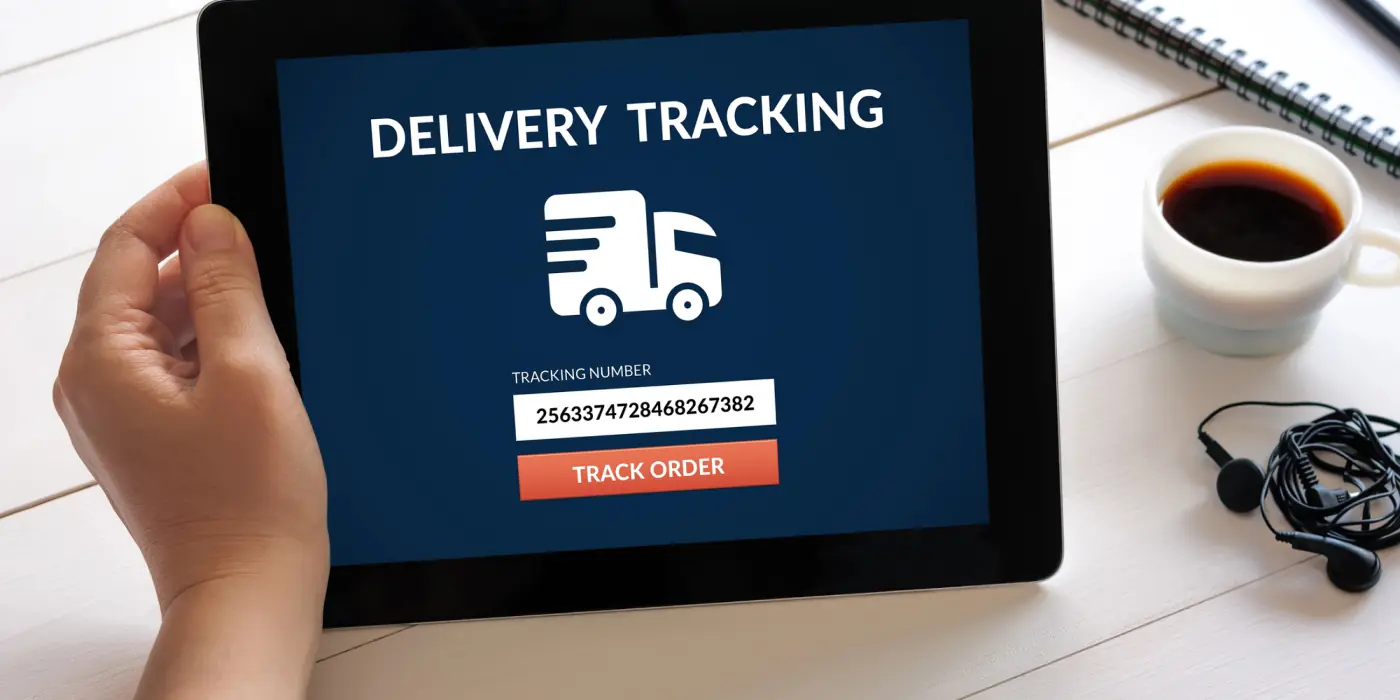
Customers and operations teams rely on delivery visibility and accurate delivery updates, but manual tracking often creates gaps or inconsistencies. Many delivery failures or complaints stem from poor communication: customers don’t know when to expect the delivery, can’t contact the driver, or miss the delivery due to vague time windows. When customers don’t know where their order is, they contact customer support. That increases costs and damages trust, even if the order arrives on time.
A delivery management system automates and centralizes customer communication by sending real-time notifications (via SMS, email, or app), providing real-time tracking with ETAs, allowing customers to update delivery instructions, and enabling two-way communication. Proactive updates and accurate ETAs lead to fewer customer service calls and increased customer satisfaction.
Logistics automation helps companies reduce costly delivery errors and ensure every delivery is fast, correct, and on time. As logistics complexity grows, the businesses that prioritize automation will be the ones best positioned to deliver not just packages, but consistent and reliable experiences.
For more information about how our delivery management solution can help you manage your delivery operations more efficiently, please contact info@bringoz.com.