
Building Supply Chain Resilience While Reducing Costs
Supply chain and logistics leaders are increasingly working to make their networks more resilient as they navigate ongoing market uncertainty and rising costs. Supply chain spending grew 5.4% year over year to $2.58 trillion in 2024, according to CSCMP’s 2025 State of Logistics Report. Disruptions like geopolitical tension, changing consumer expectations, and extreme weather events have taken a toll on supply chain operations and delivery networks.
Disruptions in logistics services cost the global technology sector about $16 billion annually. Ninety-one percent of logistics executives identified geopolitical instability and trade uncertainty as major influences on their supply chain strategy over the next three years, according to a new study by DP World. Nearly 70% of them reported losing contracts or business because of supply chain problems. Resilient supply chains can help companies address these challenges. Strengthening supply chain resilience helps companies navigate disruptions more effectively, maintain consistent service, and protect customer relationships.
Here’s a look at how businesses can build supply chain resilience while reducing operational costs.
Automate the Supply Chain
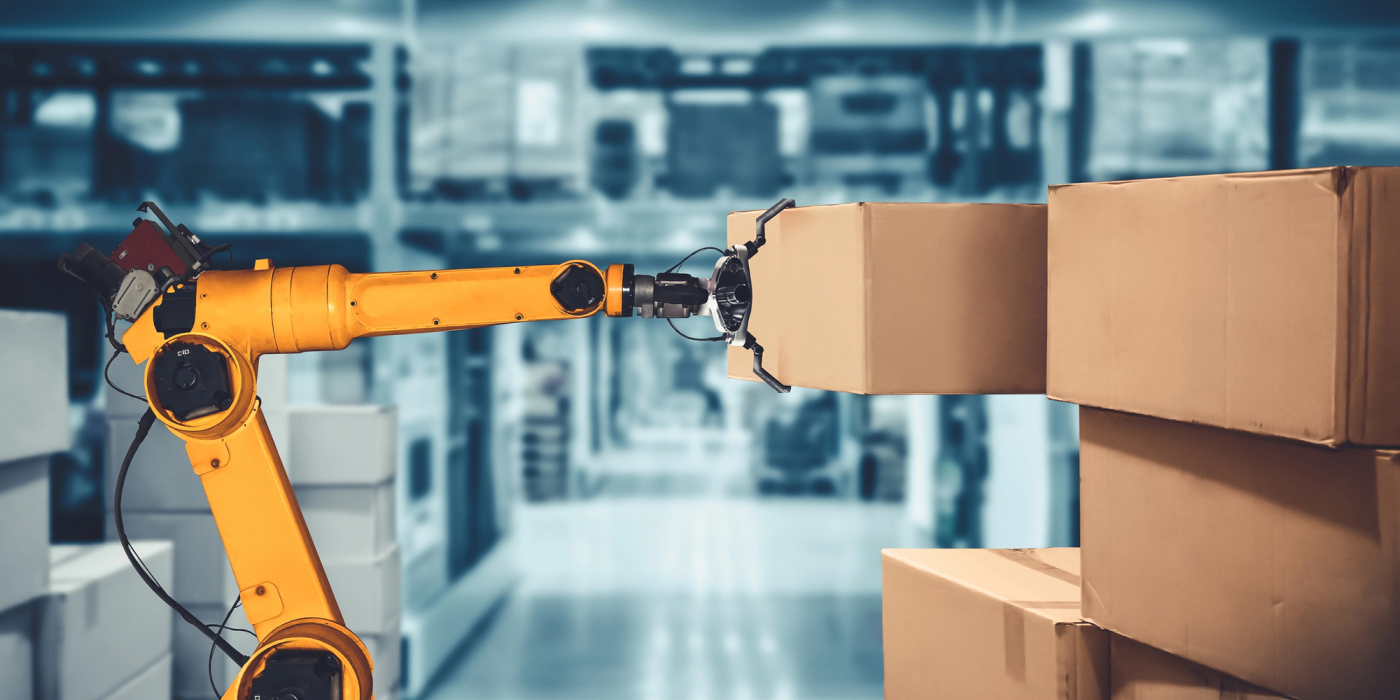
Legacy systems and manual processes limit visibility across the supply chain and slow response times during disruptions. As supply chains grow more complex, technology is becoming a crucial enabler of resilience. Companies are making investments in automation, artificial intelligence, and cloud-based solutions to fortify supply chains and logistics operations against uncertainty. These solutions reduce the hours needed for repetitive tasks and minimize human error. Investing in warehouse automation helps businesses to reduce manual effort and lower costs while accelerating fulfillment operations.
Walmart’s U.S. business is seeing improved operational efficiency from automation investments in its supply chain. Over 60% of Walmart’s U.S. stores receive a portion of their freight from automated distribution centers, and over half of its eCommerce fulfillment center volume is moving through automated systems. The increased use of automation is driving improved productivity and lower shipping costs. In recent years, Walmart has increasingly automated supply chain operations, including using a high-density storage system, autonomous forklifts, and inventory-tracking sensors that reduce manual tasks.
Build Flexibility into Delivery Models
Traditional logistics networks are often rigid and expensive to operate when disruptions occur. Adopting flexible, hybrid delivery models can help businesses become more resilient, reduce costs, and maintain service continuity. Companies can build flexibility through hybrid fleets, dynamic routing, and modular technology. Relying on a single delivery method exposes a business to massive risk during demand fluctuations or supply chain disruptions. Using a mix of in-house drivers, gig drivers and outsourced carriers can help delivery teams easily adapt to demand spikes or unexpected disruptions, without major additional costs.
Cloud-based delivery management platforms help companies manage deliveries more efficiently and improve agility, transparency, and productivity. Route optimization reduces fuel costs and miles driven through more efficient routes. Dynamic route optimization enables delivery teams to quickly adapt to unexpected delays or last-minute orders. Modular platforms enable companies to scale their resources up or down quickly depending on demand. Smart load consolidation can help to maximize resource utilization and reduce miles driven. With flexible scheduling, customers can decide when and where they will receive their orders, and modify orders in real-time, reducing missed deliveries.
Work With Local Suppliers
Overdependence on a single supplier or region has become increasingly risky due to geopolitical and trade uncertainties. Local suppliers can help businesses mitigate supply chain risks, minimize tariff impact, and ensure product availability. Partnering with local suppliers can also help bring inventory closer to customers, reducing delivery times. GE Appliances signed contracts with 22 suppliers across 10 states to supply materials and components for its new factory in Louisville, Kentucky. The new contracts will cover steel, aluminum, plastics, and additional parts used to construct washer and combo washer-dryers at the facility. Beyond growing its supplier base, the company is boosting supplier collaboration to localize materials earlier in the production process.
Diversify Delivery Capacity
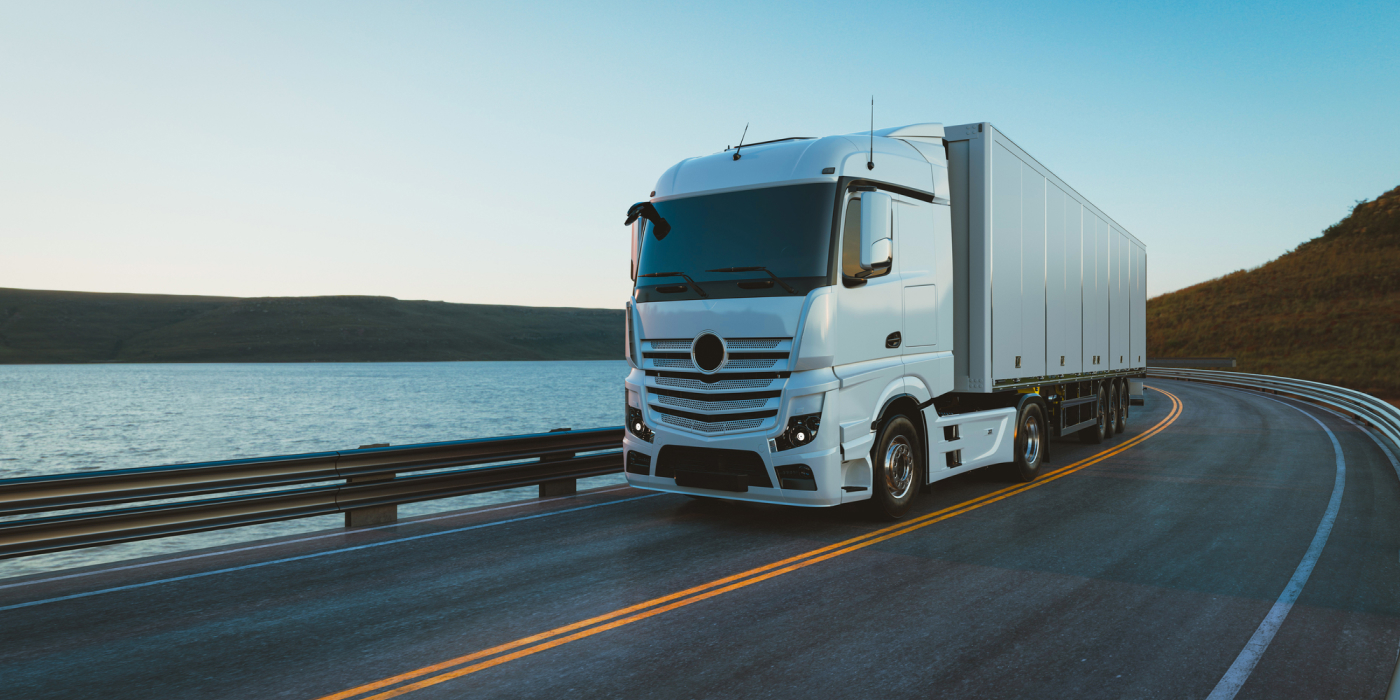
Resilient supply chains increasingly rely on collaborative ecosystems to reduce costs and share risk. A well-connected logistics network helps to reduce delivery delays and respond faster during crises. Businesses are leveraging logistics partnerships to expand their delivery capabilities. Partnering with multiple local carriers and delivery partners allows businesses to maintain consistent delivery service even when one delivery provider experiences delays. These strategic partnerships also allow companies to scale their delivery operations up or down quickly without significant investments.
Supply chains operate under mounting costs, disruptions, and uncertainties. Businesses that build supply chain resilience by embracing digital transformation, flexible networks, and strong partnerships will not only survive disruptions but outperform competitors and face challenges with greater adaptability.
For more information about how our delivery management solution can help you manage your delivery operations more efficiently, please contact info@www.bringoz.com.