
How Digital Tools Can Help Reduce Delivery Blind Spots
Companies face increasing pressure to provide fast, reliable, and transparent delivery services. One of the biggest challenges in achieving this is delivery blind spots, gaps in visibility from outdated systems, manual paperwork, or inconsistent communication, that make it difficult to manage deliveries efficiently.
Blind spots in delivery operations aren’t just irritating, they’re expensive. They can lead to delayed deliveries, higher operational costs, and dissatisfied customers. Fortunately, digital tools are transforming the way businesses tackle these challenges, creating more efficient and transparent delivery operations.
Here’s a look at how digital tools can help reduce delivery blind spots, improving delivery optimization and fleet management.
Real-Time Tracking and Status Updates
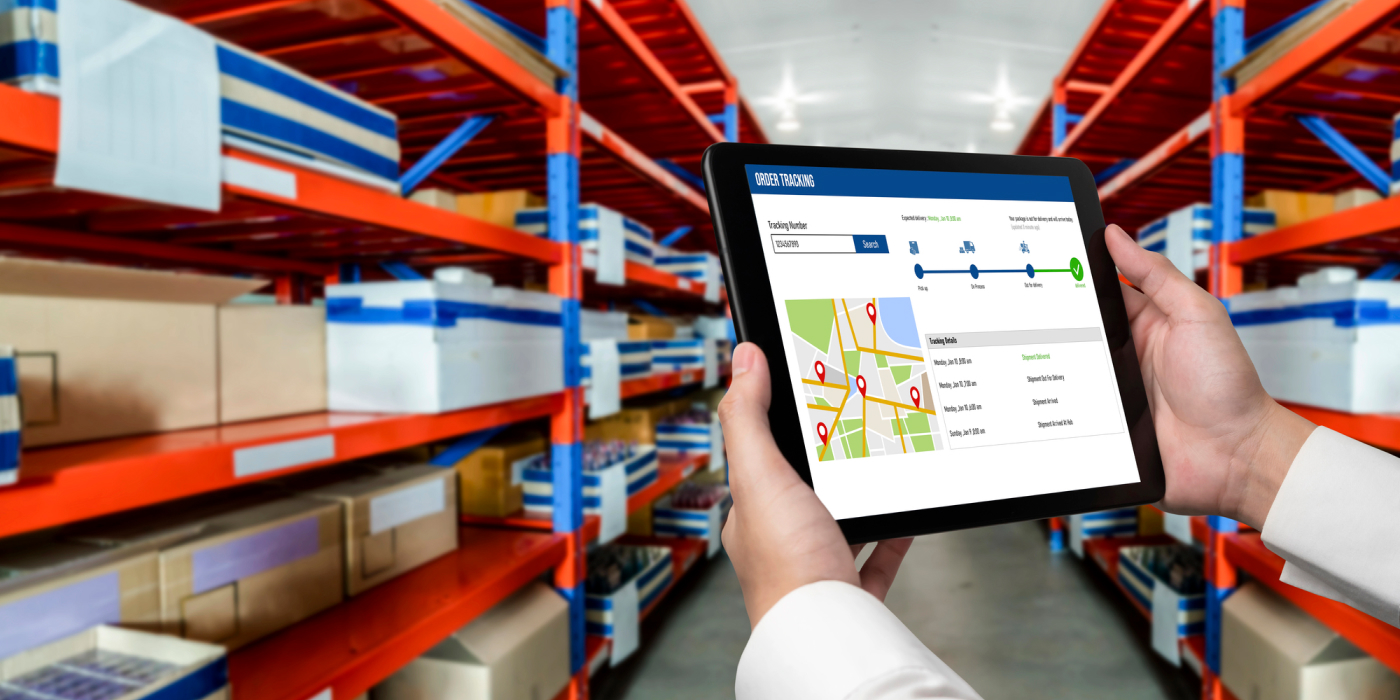
One of the most powerful ways digital tools reduce delivery blind spots is through real-time tracking. Cloud-based delivery management platforms provide live tracking of vehicle locations, delivery progress, and driver status. This gives logistics teams real-time clarity about delivery progress, enables faster decision-making, and reduces the volume of manual checks.
Real-time tracking helps managers identify issues in the delivery process, such as frequent delays in specific zones, prolonged stops or unnecessary detours and correct them to improve delivery times and fleet management. Delivery management systems can also automate delivery status updates for customers. Notifications about delivery location, estimated arrival times, or delays help reduce information gaps. Providing customers with accurate and timely information helps to minimize complaints and inquiries and improve customer satisfaction.
Centralized Dashboard Visibility
Companies often rely on manual processes or disconnected systems to access and share information, limiting visibility and productivity. Delivery management platforms consolidate data into a single dashboard, giving managers a clear overview of fleet status, delivery progress, and operational KPIs. Centralized dashboards help eliminate silos, make blind spots easier to identify and address proactively, and ensure all stakeholders see the same source of truth.
Unified dashboards with key information including driver locations, delivery ETAs, route progress, and resource utilization improve collaboration and communication. Data can be shared will all stakeholders, enabling coordinated action rather than siloed reactions. This visibility leads to better, faster decision making, allowing teams to better optimize resources and improve delivery performance.
Automated Route Optimization
Blind spots often arise when routes are planned manually or drivers make unsupervised decisions on the road. Route optimization tools analyze various factors including vehicle capacity, delivery priorities, location, and package requirements to create the most efficient paths for drivers. These tools can also adapt in real time to unexpected changes, such as last-minute delivery orders or delivery delays. Dynamic route optimization enables companies to adapt to delays immediately and re-route drivers to ensure on-time delivery.
Dynamic route optimization is growing with the global dynamic route optimization software market expected to grow from $2.2 billion in 2025 to $6.6 billion in 2034, according to the latest report by Global Market Insights. US dominated the dynamic route optimization software market in North America and generated $622.3 million in revenue in 2024. By eliminating inefficiencies and adjusting routes in real-time, companies not only reduce costs but also ensure that no delivery points are overlooked, shrinking operational blind spots.
Data Analytics and Reporting
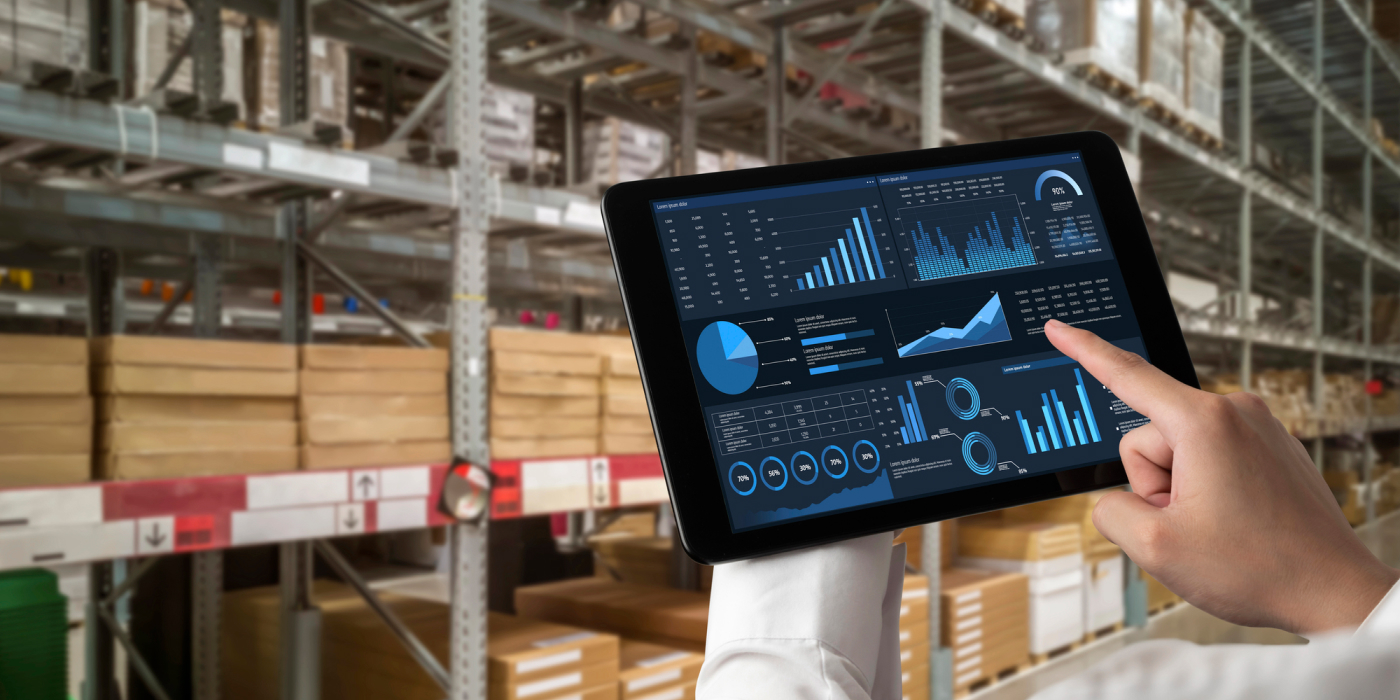
Delivery blind spots are not always visible in real time; sometimes they emerge only when trends and inefficiencies accumulate over time. Digital reporting tools help businesses uncover hidden patterns by allowing them to automatically track data such as on-time delivery rate, first-attempt delivery success, driver behavior, and route deviations. Data can be aggregated and visualized on dashboards for easy reporting. Automated reports enable teams to monitor delivery operations over time, identify emerging blind spots, and refine their processes before they become critical issues. These insights empower proactive, rather than reactive, decision-making, improving delivery workflows and fleet management.
Delivery blind spots are a major obstacle to efficiency, profitability, and customer satisfaction. Digital tools are transforming how businesses gain visibility into their delivery operations. By adopting these tools, delivery teams can reduce inefficiencies, anticipate challenges, and create a more transparent and agile delivery network.
For more information about how our delivery management solution can help you manage your delivery operations more efficiently, please contact info@www.bringoz.com.