Delivery management software is easier to justify when you know where the return comes from. This guide breaks down the five operational levers behind it.
Key Takeaways
Delivery management software pays back through five operational levers: automated planning and dispatch, fewer failed deliveries, better use of vehicles and drivers, lower administrative effort, and the ability to add volume without adding the same amount of manual coordination. Cost pressure makes the case urgent: 83% of retailers report that home delivery costs rose year over year.
Businesses are under constant pressure to deliver faster, cheaper and more efficiently. According to the 2026 AlixPartners Home Delivery Survey, as reported by DC Velocity, 83% of retailers say their home delivery costs went up compared with the previous year. Delivery management software centralizes the tasks that drive those costs, from route planning to customer communication. Here is how it delivers return on investment (ROI).
| ROI driver | What changes in operations |
| Streamlined operations | Routes, assignments and dispatch are automated instead of planned by hand |
| Fewer failed deliveries | Live tracking, alerts and flexible scheduling reduce missed drops and re-delivery trips |
| Better resource utilization | Vehicle and driver data shows idle time and route efficiency |
| Scalable fleets | Volume grows without a matching rise in phone calls, paperwork and data entry |
Spending too much time planning routes by hand? See automated planning and dispatch in action. Book a demo
How does delivery management software streamline operations?
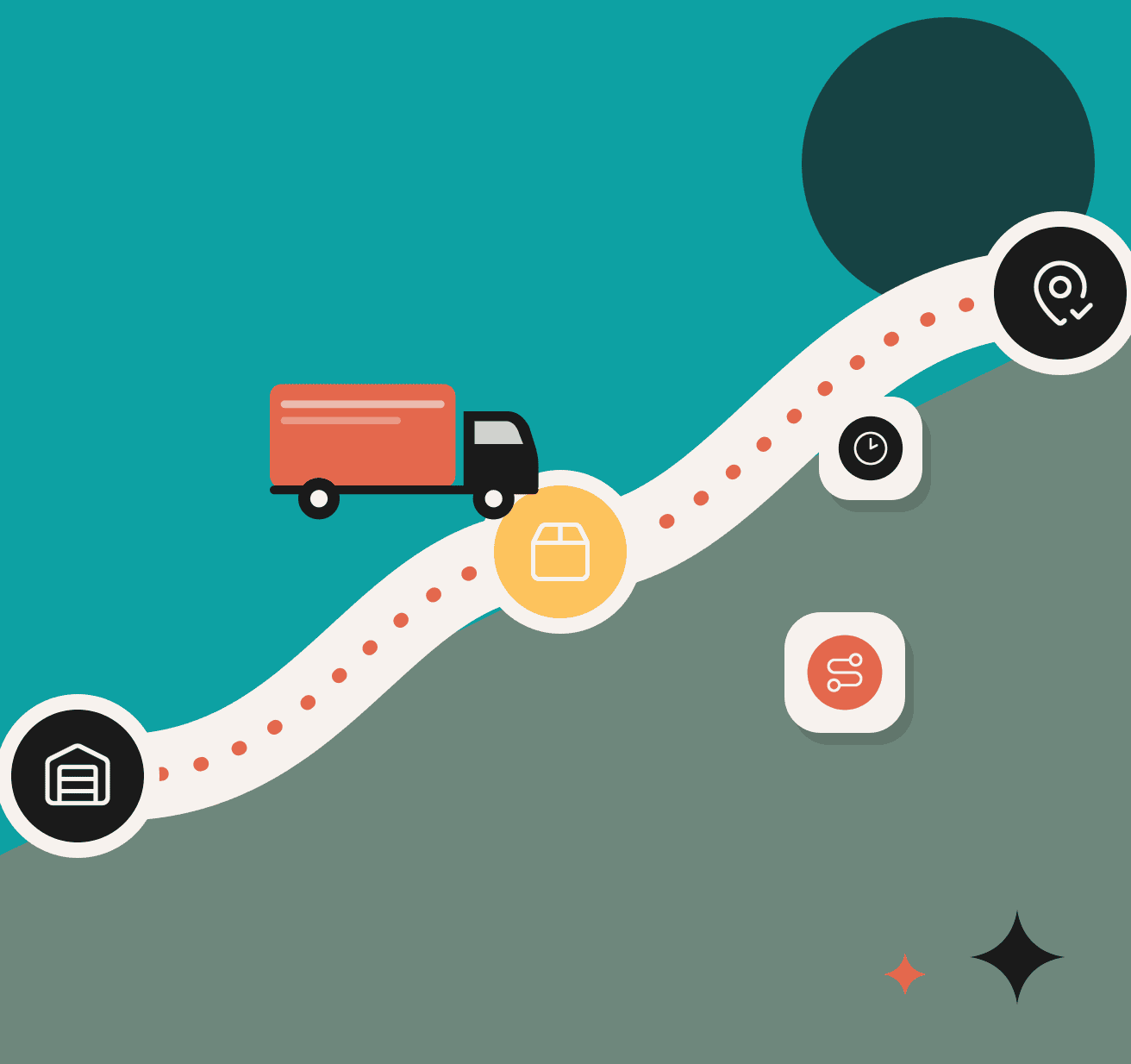
Manual scheduling and route planning take time and often produce longer, less efficient routes. Delivery management software automates both, so logistics managers can handle higher delivery volume with fewer resources. Automated route optimization builds routes around driver availability, delivery windows and vehicle capacity.
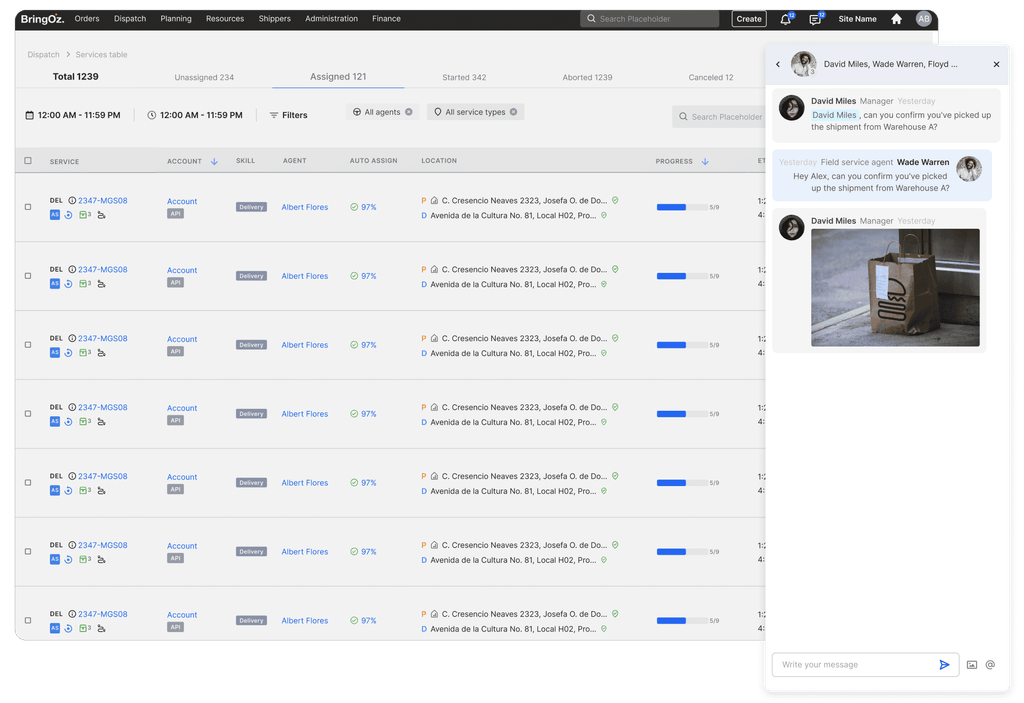
Instead of assigning drivers by hand, the system can automatically assign and dispatch orders based on proximity, workload and delivery priority, which cuts idle time and improves workforce productivity. With real-time tracking, managers follow delivery progress without extra calls. Automated notifications and digital proof of delivery remove paperwork and manual data entry, which lowers administrative cost and errors.
How does it reduce failed deliveries?
Missed or delayed deliveries lead to extra trips, overtime and unhappy customers, and rising expectations for same-day and next-day delivery make them harder to avoid.
Delivery management platforms help by providing real-time tracking, automated alerts and accurate ETAs, so customers know when a delivery is coming or when its time changes. Flexible scheduling lets customers choose the place and time that suit them, which reduces missed deliveries and re-delivery attempts.
How does it improve resource utilization?
Managing a fleet without insight often means underused vehicles or overworked staff. Delivery management systems show vehicle and driver performance, including delivery times, idle hours and route efficiency. Real-time dashboards show vehicle usage, driver performance and workload distribution, which supports decisions such as consolidating deliveries or moving vehicles to where demand is highest. Used proactively, this data helps reduce overtime, forecast logistics expenses and allocate resources more efficiently.
How does it help fleets scale?
As a business grows, manual coordination becomes unsustainable. Paperwork, data entry and phone calls consume labor hours and make it harder to keep up with volume and customer expectations. Delivery management software automates these tasks, so delivery operations can grow without a proportional rise in cost. Cloud-based platforms make it easier to onboard new drivers and delivery regions, and centralized dashboards let managers oversee multiple delivery zones.
Build the Business Case with BringOz
Investing in delivery management software is a change to how deliveries are planned, dispatched and followed, and each operational improvement feeds into cost per delivery and service levels. BringOz brings planning, dispatch, tracking and proof of delivery into one platform.
Book a demo to see where it would fit in your operation.
Frequently asked questions
Where does the ROI of delivery management software come from?
From automated planning and dispatch, fewer failed deliveries, better use of vehicles and drivers, less administrative work, and the ability to scale volume without matching manual effort.
Why are delivery costs a growing concern?
In the 2026 AlixPartners Home Delivery Survey, 83% of retailers reported that home delivery costs rose compared with the previous year.
How does the software reduce failed deliveries?
Real-time tracking, automated alerts, accurate ETAs and flexible scheduling keep customers informed and let them adjust, which reduces missed deliveries and re-delivery attempts.
Can delivery management software support growth?
Yes. Automating coordination tasks and onboarding drivers and regions on a cloud platform lets operations handle higher volume without a proportional rise in cost.