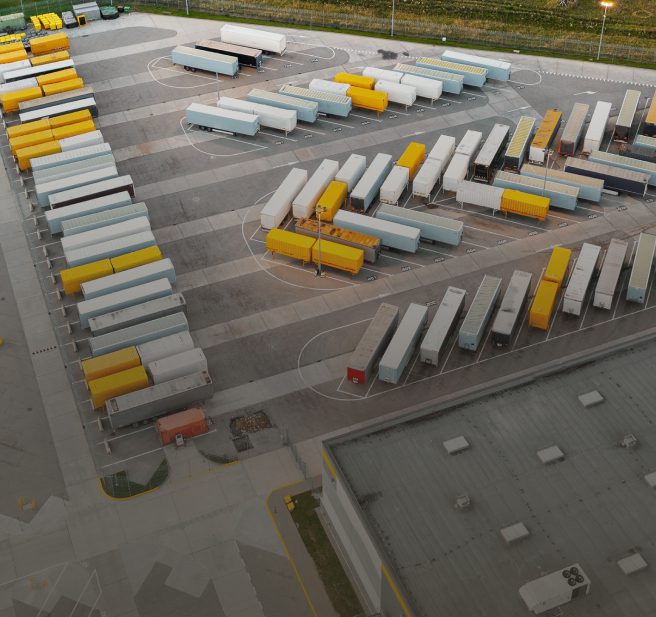
Delivery operations have been under more pressure over the past few years as last-mile delivery becomes more complex. From vehicle capacity and labor constraints to growing fulfillment networks and increasing customer expectations, maintaining a fast, reliable and efficient delivery service has never been more challenging. More companies have turned to digital solutions to meet their growing needs.
According to a survey from Deloitte and Fortune, 85% of CEOs indicated that their organizations had significantly accelerated digital transformation during the pandemic. CEOs are prioritizing digital solutions that meet the needs of the present while building a platform for innovation and competitive advantage to drive their business forward. A crucial ingredient to digitally transforming delivery networks is integrations.
Implementing a delivery management solution that can seamlessly integrate with other systems enhances delivery performance and workforce productivity, enabling businesses to better optimize resources and ensure deliveries arrive on time. Here’s a look at how integrations make delivery management easier.
Increased Visibility
Integrations increase visibility by connecting disparate, independent systems together, creating end-to-end visibility across the entire delivery process. Integrating a delivery management system with a customer resource management solution, for example, offers users full visibility and better workflow management. Managers can view customer information, delivery issues, and order history directly from the delivery management solution.
Real-time information gathering and sharing through one solution keeps everyone updated with the latest information, ensures the timely delivery of orders, and minimizes delivery delays. Increased transparency and accessibility to real-time information improves customer support, increasing customer satisfaction and loyalty. Improved visibility across the delivery operation allows stakeholders to easily collaborate and deliver a better customer experience.
End-to-End Holistic Solution
With different systems managing orders, deliveries, and drivers, consolidating all information into one comprehensive system gives a more holistic view of the end-to-end delivery process. Siloed information can lead to delivery delays and operational inefficiencies. However, a single source of truth in a centralized location provides all of the information needed to fulfill orders quickly.
Through a connected delivery infrastructure, businesses can leverage data to optimize decision making, cultivate greater teamwork and access valuable insights. Stakeholders share information regularly, giving everyone a clear view of the entire delivery operation. Data and analytics offer insights into delivery performance and resource utilization, which companies can use to make better business decisions, minimize operational costs and save time.
Improved Agility
Consolidating information into a cohesive and unified solution streamlines and simplifies the delivery management process, allowing companies to remain agile. Greater visibility and collaboration allows businesses to respond faster to fluctuations in demand, changing business needs and unexpected disruptions. Having a single source of truth allows businesses to operate more efficiently and reduce logistics bottlenecks during peak delivery times.
Integrated delivery management builds trust and transparency among stakeholders, improves adaptability and increases responsiveness and resiliency across the entire delivery operation. Data integration maximizes data-driven decision-making, giving companies a new level of management efficiency to execute deliveries more effectively.
For more information about how our flexible delivery management solution can integrate with your delivery processes and help you manage your delivery operations more efficiently, please contact us.